Is Gadreel a real angel?
The short answer
Gadreel is not mentioned in the Bible directly, but the idea of angelic beings called “Watchers” is indirectly referenced throughout the Bible. The traditional account of these creatures—as understood by the Biblical authors—comes from the Book of Enoch, which is where the name Gadreel originally appeared.
The name “Gadreel” is not found in the Bible. It comes from another highly influential ancient text called the Book of Enoch. In that book, Gadreel is listed as one of the mighty angelic beings called “Watchers,” many of whom fell and became rebel angels. Gadreel is listed as the angelic being who taught humans how to make and use cosmetics and weapons of war, which led to the violence and destruction that prompted the Flood of Noah. Even though the Book of Enoch is not part of the canonical scriptures, it still influenced both the ancient Israelites’ and the early Church’s understanding of spiritual beings.
Is Gadreel a real angel?
The answer to this question depends on what kinds of writings you find authoritative. If you only care about what the Bible says, then because Gadreel isn’t listed in the Bible you may not be inclined to believe that he is or was a real being. But it’s important to understand the influence and value of so-called “extra-biblical” writings like the Book of Enoch or the Book of Jubilees. While the early Christians didn’t include them in their canon of scripture, that didn’t mean that they thought that these works were untrue or worthless—or that they didn’t find them authoritative. The Book of Enoch in particular exercised a great deal of influence on the early Church, and was seen as authoritative by the writers of the New Testament, who frequently referenced passages and ideas from it. The early Church fathers, who were massively influential in defining the core elements of Christianity (such as the Trinity), likewise saw Enoch as influential and authoritative to a real degree, including Sts. Justin the Martyr, Clement of Alexandria, and Irenaeus, as well as influential teachers like Origen and Tertullian. So, if you find the views of the early Church fathers and the authors of the New Testament to be compelling, then yes, Gadreel was probably a real fallen angel.
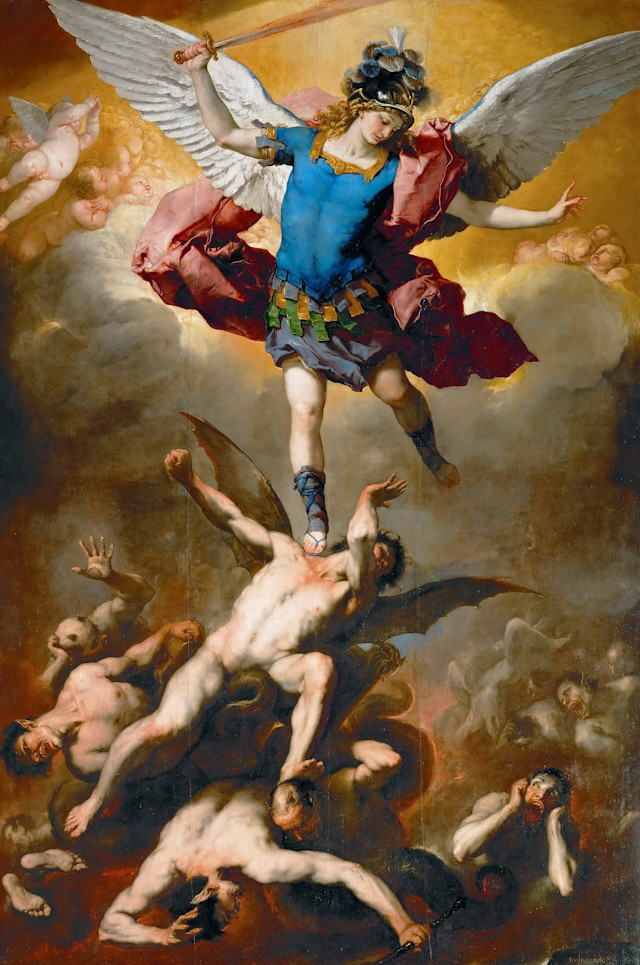
Luca Giordano - The Fall of the Rebel Angels - circa 1666
Is Gadreel good or bad?
If we take the Enochian narrative as generally true, then Gadreel is not a good angel. The short version of the Book of Enoch is that God placed a group of angelic powers called “the Watchers” in charge of the various nations of the world, but instead of watching over and taking care of the humans, these “lesser gods” became consumed by their desire for earthly things and ended up becoming “fallen gods”—the same concept as fallen angels.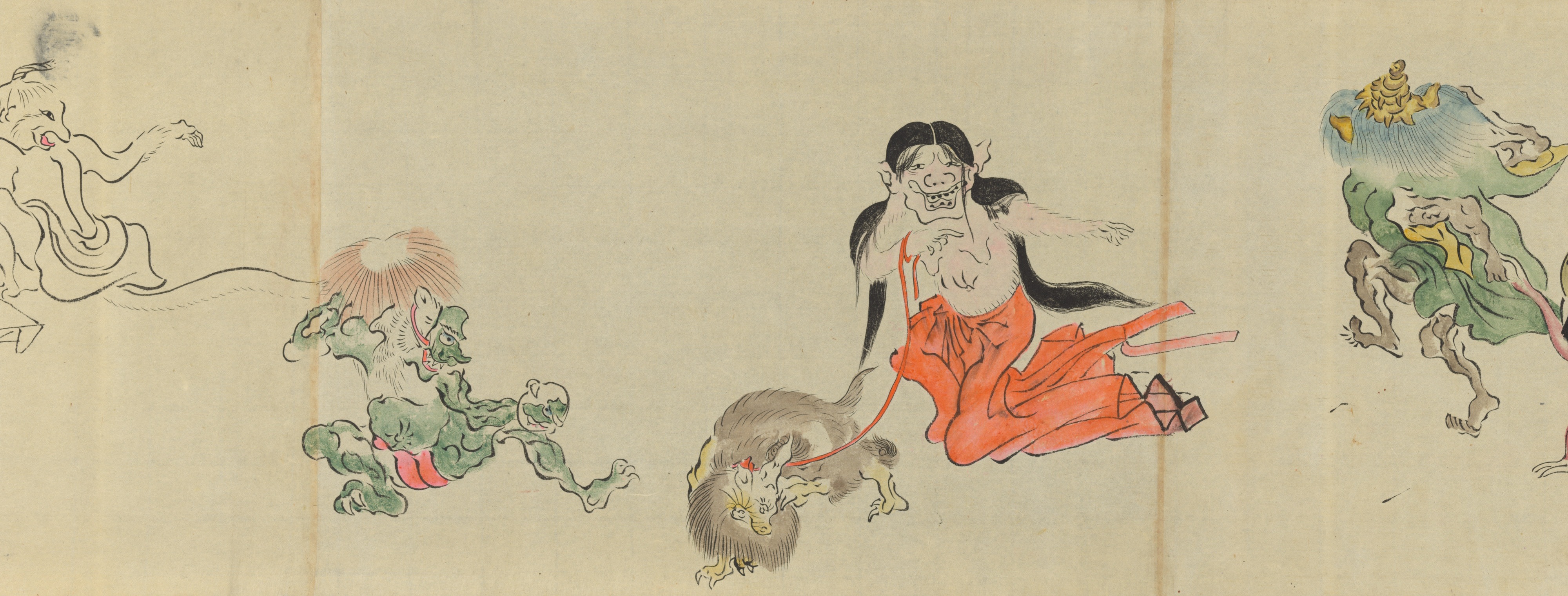
Detail from "The Night Parade of One Hundred Demons" by Tachibana Gadō 橘雅堂 (1892).
According to the author of Enoch, these angelic beings were mainly ensnared by the beauty of human women. They found human women so beautiful that they lusted after them and desired to take human wives for themselves. After they did so, their wives gave birth to horrible, half-human beings called the “Nephilim,” often called “giants” in English translations of the Old Testament. But the angelic beings also taught their wives and sons hidden, angelic knowledge that was almost always used for evil. This knowledge included everything from cosmetics to the art of “root cutting” for making poison. Gadreel in particular is said to have taught humans the use of weapons.
Who are the seven fallen angels?
There have been a variety of lists and numberings of angels over the centuries. How such lists are organized and grouped depends on who you ask. Medieval thinkers were especially fond of creating tidy lists and parallels according to symbolic systems of numbering. For example, there are early lists of vices going back to the fourth century, which often featured eight or even nine vices, but by the medieval period the standard list of vices had been edited to focus on “seven deadly sins,” in large part because seven is a symbolic number for something complete. Naturally, there was a parallel list of seven heavenly virtues, and a “prince of hell” was additionally assigned to each of the seven deadly sins. There’s also a tradition that lists the seven archangels, which were often associated with the seven virtues, and so on. But the further back you go in Christian history, the less tidy these things become. For the Book of Enoch, where Gadreel’s name is (likely) first mentioned, he appears in an extensive list of fallen Watchers.
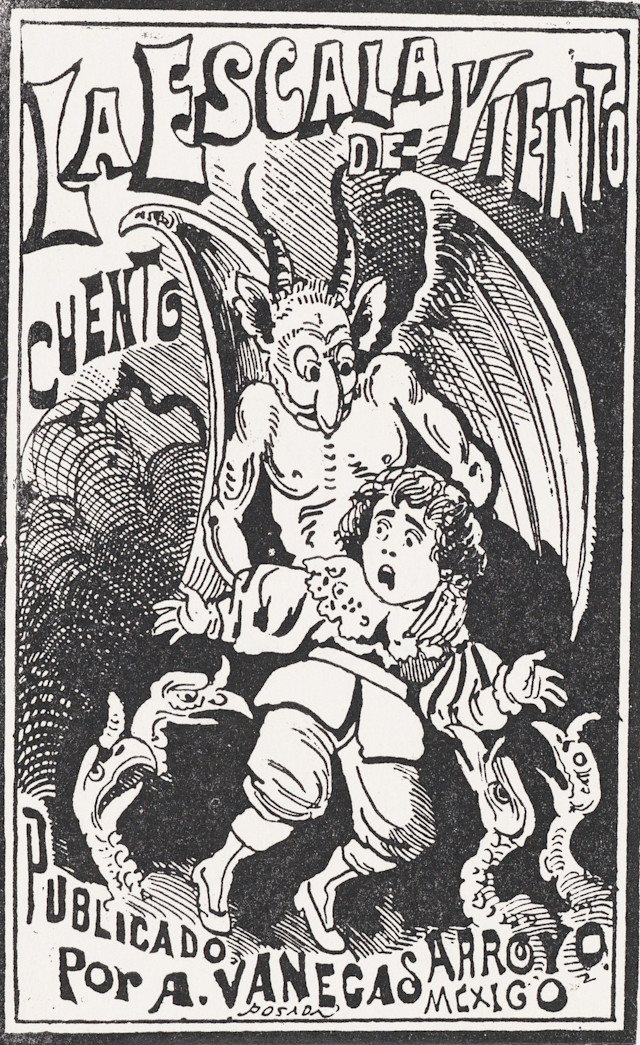
José Guadalupe Posada - Illustration for 'La Escala de Viento' - circa 1880-1910
Such articles are very misleading. This one, for example, has a section called “history” with a subsection called “Genesis,” which may lead you to believe that it was taken from the Biblical book Genesis. In fact, this section includes characters and events—like Lilith or the gates of Eden—that aren’t in Genesis at all! These stories perpetuate so many misunderstandings of ancient religious ideas. Most curious to me is that almost all of these pop-culture versions paint the fallen angels in a sympathetic light—exactly the way the Watchers tried to portray themselves to human beings after they fell. As Justin Martyr explains, they pretended to be the gods or founders of true religions, disguising the fact that they fell from grace because of their vices.
Subscribe
Life-giving writing by Christian scholars sent to your inbox once per month

Zachary Porcu has a PhD in church history from the Catholic University of America in Washington DC, with additional degrees in philosophy, humanities, and Classics (Greek and Latin). He is an Eastern Orthodox Christian.
Keep reading

Why stay away from the Book of Enoch


Samyaza and the fall of the angels
Hineni in Hebrew: “Here I am” from God and Man
Who was Jotham, king of Judah?
What are the prophetic books of the Bible?