A PhD explains Isaiah's phrase: “Forget the former things”
The short answer
While it’s generally wise advice to avoid dwelling on the past, in the context of Christian theology, this verse (Isaiah 43:18-19) is has a cosmic meaning: the transformation that Christ offers the whole universe.
The past is a powerful thing. Through pictures, videos, and other types of “time capsules,” we can create powerful messages that endure into the future and offer a window into the past. Certain sounds, tastes, and especially smells can bring back memories with intense vividness. At the same time, the past can also be a great source of shame or regret, as when we remember a particularly difficult time in our lives, something embarrassing, or a decision that we ultimately came to regret. Good or bad, the past tends to slide away from us over time: our memories become less vivid, and things that were intimately familiar to us can disappear from our memories altogether. When I worked in a restaurant as a teenager, there were people whom I worked very closely with and saw every single day. I became intimately familiar with them: their personalities, expressions, and little quirks. Yet today, years later, I don’t even remember many of their names.
Our interaction with the past can be bittersweet, and for that reason some people hold onto good memories and forget or edit bad ones. Those looking for comfort and direction in the Bible might stumble across the prophet Isaiah’s words: “Remember not the former things, nor consider the things of old. Behold, I am doing a new thing; now it springs forth, do you not perceive it? I will make a way in the wilderness and rivers in the desert” (Isaiah 43:18-19, ESV). What is Isaiah saying? I think there are two levels at which you could interpret this passage.
Do not dwell in the past
A commonsense interpretation of this passage from Isaiah is as an injunction to avoid dwelling on the past. The past has both good and bad in it, like the present. It’s good to remember our mistakes so that we learn from them, and it’s nice to recollect fond memories. But this interpretation might suggest that it’s important not to dwell on the past, that is, to be fixated on it, obsessed to the point that it detracts from our ability to be in the present.
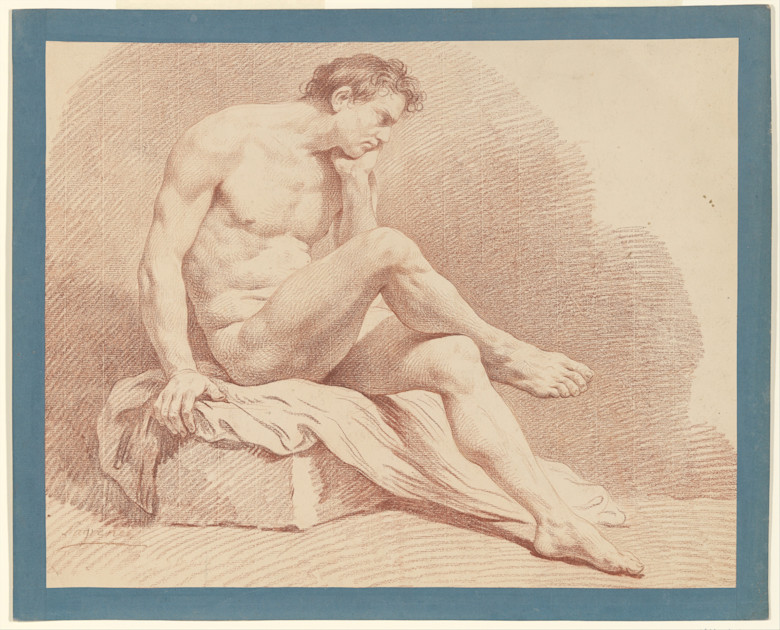
Louis Lagrenée - Seated Male Nude - The Metropolitan Museum of Art
While this is certainly fine life advice, is it really what Isaiah is saying? The prophet Isaiah is one of the most profound and influential prophets of the Old Testament, to the point that his book has even been called “the fifth gospel.” But because Isaiah said all sorts of cryptic, mystical things in his text, it’s easy to take individual verses and attribute meanings to them. What was Isaiah doing when he wrote this text? What is the prophecy of Isaiah really about?
Behold, I am doing a new thing!
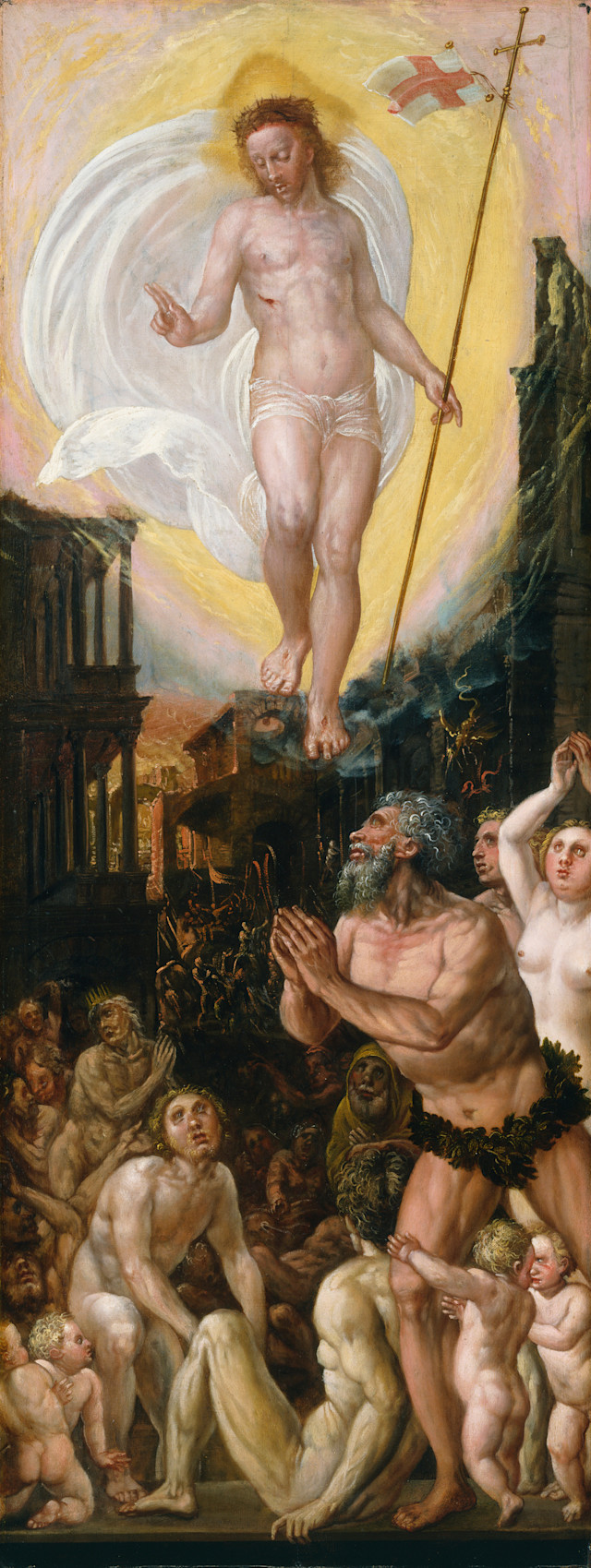
Workshop of Hans Mielich - Christ in Limbo - circa 1550-1575
The coming of Christ is the whole focus of Isaiah’s prophecy, and if you read it through this lens, so many things become clear. Isaiah uses prophetic language and vivid imagery to paint a picture of Christ coming into the world, redeeming Israel, defeating evil, and changing the world.
Obviously, there’s a lot to Jesus’ relationship to prophecy. So much of the Old Testament—from Isaiah to the Psalms—consists of prophetic images of Jesus’ coming, his life, and his ministry. But in the context of the old and the new, what Jesus does is something quite profound: he ushers in a new era of human history; he redeems the religion of ancient Israel and brings it into its fullness; and he conquers death itself, making a cosmic change to the world. He makes “all things new” (Rev 21:15, ESV, my emphasis). Because the old era of the world was under the dominion of death and the devil, reality changed at the cosmic level when he conquered them through his crucifixion and resurrection: man is no longer bound by death; death has become a gateway to life itself. As some have put it, this change is the only really new thing to have happened since the beginning of the world.
Subscribe
Life-giving writing by Christian scholars sent to your inbox once per month
Zachary Porcu has a PhD in church history from the Catholic University of America in Washington DC, with additional degrees in philosophy, humanities, and Classics (Greek and Latin). He is an Eastern Orthodox Christian.
Keep reading

Prophetic parents: Who was Amoz father of Isaiah?
Hineni in Hebrew: “Here I am” from God and Man
Who was Jotham, king of Judah?
What are the prophetic books of the Bible?
Who is Esaias in the Bible? Answered by a Christian Scholar