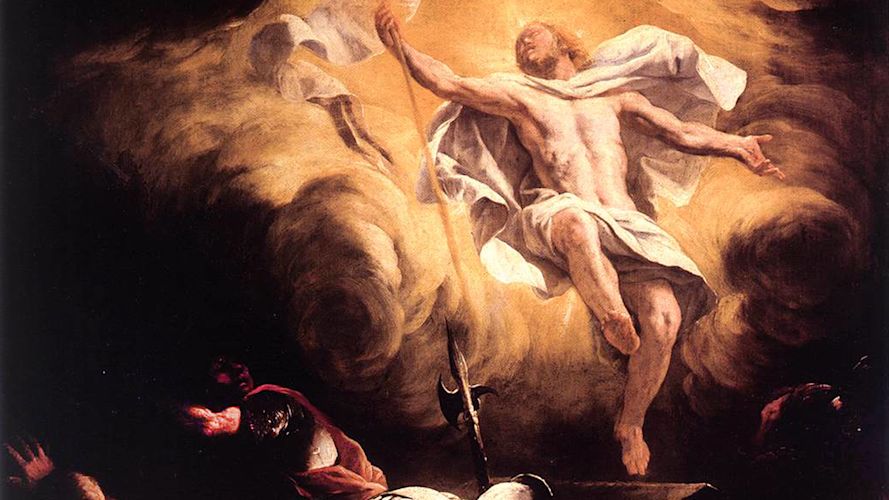
Pastor vs. Priest: What are the differences?
The short answer
A “pastor” is a general word that refers to the leader of a local church and is used in most denominations, whereas “priest” is a more specific title that has to do with someone with a particular sacramental role in traditional types of Christianity, mainly Catholic, Eastern Orthodox, and certain “high-church” forms of Protestantism, like Anglicanism.
Christianity is a very old, very widespread religion, and so there’s been a lot of terminology built up over the centuries that can get confusing. There are pastors, bishops, ministers, deacons, vicars, cardinals, elders, and popes—to name just a few. But the two most common, widespread terms you’ll hear are “pastor” and priest”. What’s the difference between the two?
What is a Pastor?
A pastor is a general title for the leader of a local Christian community. The word pastor comes from the Latin word for “shepherd”. The suffix “pa-” is an older root word related to “protection” and occurs in words like “companion” and “company”. In Christianity, the imagery of a shepherd as part of the spiritual life of the church dates back to the words of Christ. Jesus compares himself to a shepherd in the Gospel of John: “I am the good shepherd; I know my own and my own know me, as the Father knows me and I know the Father; and I lay down my life for the sheep.” (John 10:14-15)
In the Gospel of Luke, Jesus tells the famous parable of the lost sheep:
“What man of you, having a hundred sheep, if he has lost one of them, does not leave the ninety-nine in the wilderness, and go after the one which is lost, until he finds it? And when he has found it, he lays it on his shoulders, rejoicing." (Luke 15:4-5)
Jesus is the good shepherd, and the shepherd is the one who protects the sheep, finds the lost sheep, and brings them back. The shepherd imagery speaks to Jesus’ relationship with all of us who are his “lambs”. It’s no wonder that one of the major visual representations of Jesus in the early church period was an image called “Christ the good shepherd” in which Jesus carries a sheep on his back, the sheep symbolizing the repentant sinner.
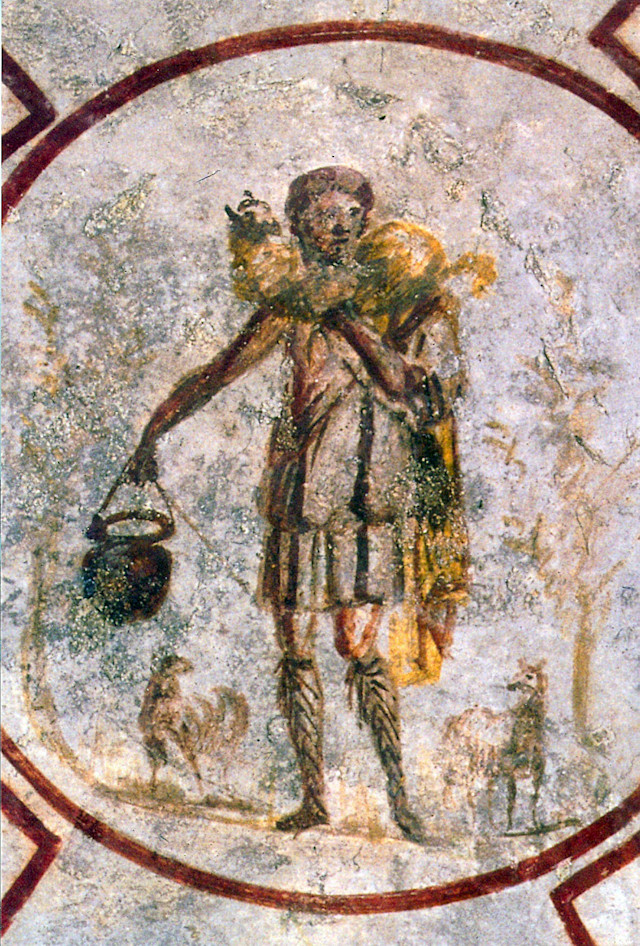
Painting of Christ the Good Shepherd from the Catacomb of Callixtus in Rome, Italy (2nd - 4th century)
The word “pastor”, therefore, gets used today as a general word to mean anyone who is the major leader, steward, or “shepherd” of a group of Christians, often referred to as a “flock”. This title is used across almost all Christian denominations, since anyone who is responsible for a group of Christians is, in a sense, trying to be like Christ in “pastoring” or taking care of the “sheep”.
Specific or more technical uses of the word are different depending on the denomination. In some Christian denominations, you must undergo formal education or training to become a pastor, but in others, it is less formal, and the term simply refers to the leader. Even in more formal traditions with priests and bishops, these figures are still often referred to as “pastors” because their primary job is to shepherd the flock of Christians.
What is a Priest?
A “priest” is a much more specific title, and is generally only used in older denominations that practice what’s called sacramental theology. This role is most commonly associated with Eastern Orthodoxy and Roman Catholicism, but some Protestant denominations also share this understanding, such as traditional Anglicans and Episcopalians. Like a pastor, the priest is usually the one responsible for giving the sermon, but that is not his main responsibility. The most important thing he does is perform the various rituals that are the heart of a sacramental tradition. He serves communion, conducts the mass, performs baptisms and weddings, hears confessions, and so on.
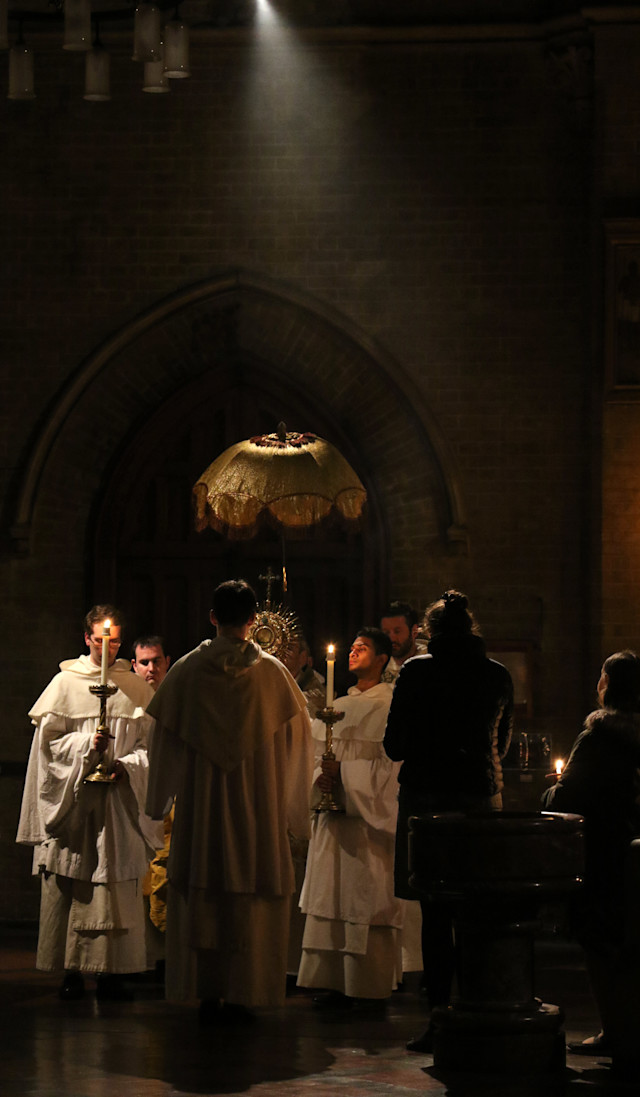
Catholic priests gather for Eucharistic procession
The understanding is that, before Jesus left the Earth, he gave authority to his disciples to be the leaders of the emerging Christian community. In the New Testament, Jesus explains that “all authority in heaven and on earth has been given to me” (Matt 2:18) and he goes on to give that authority to his disciples (Luke 9:1, 10:19, Mark 6:7). The best example is what is called the “Great Commission”, where Jesus sends the apostles out to baptize and “make disciples of all nations” (Matt 28:18-19).
This sense of authority and apostolic office was given by Jesus—who originally had it—to his disciples. They, in turn, became the shepherds and leaders of the early Christian community. We see in St. Paul’s letters that he has a very clear sense that he is part of something handed down to him by Jesus and that he is passing it on to others. He calls the apostles, along with the prophets, the “foundations” of the church (Eph 2:20) and tells the Thessalonians to “stand fast and hold the traditions which you were taught, whether by word of mouth or our epistle” (2 Thess 2:15). In fact, this word “tradition” comes from a Latin word that means something which is “passed down” or “handed off”—exactly like in a relay race.
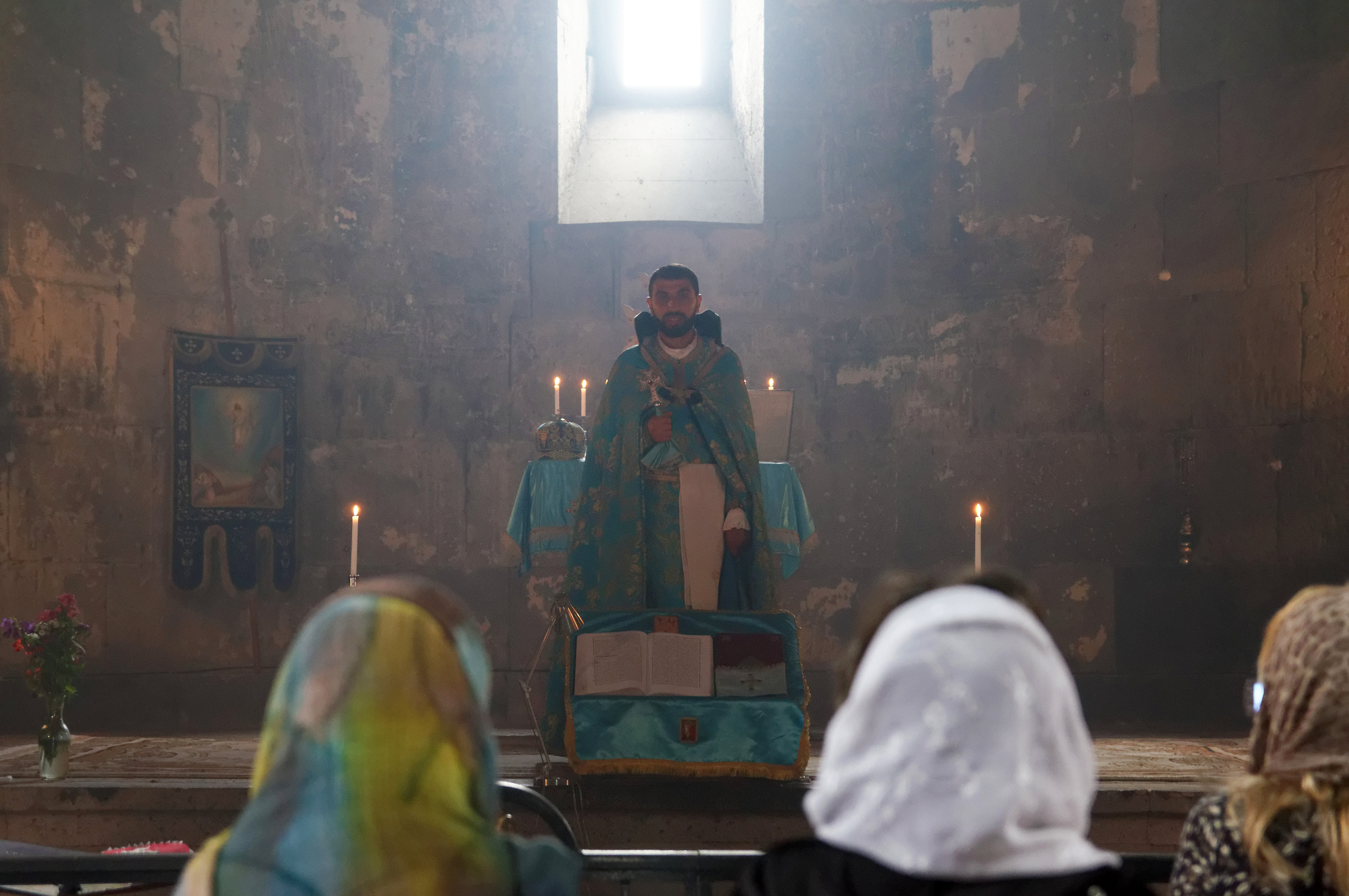
A priest leads a service in Tatev Monastery, Armenia
While it’s very common for the issue of the priesthood to be a point of contention between Protestants and the Orthodox and/or Catholic churches, the issue is not so clear-cut as Protestants rejecting the role of the priesthood and Catholics and Orthodox maintaining it. Despite being among the oldest Protestant denominations, the Anglican and Episcopalian churches traditionally share an almost identical understanding of the priesthood with Catholics and Orthodox. Lutherans, perhaps the most iconic representatives of Protestantism, have an adjacent concept called “the priesthood of all believers”, while traditional versions of Lutheranism preserve the same sort of clerical ranks as in Catholicism and recognize the concept of apostolic succession—they just differ from Catholics and Orthodox in how they interpret it.
What is a Bishop?
The role of the “bishop” comes from the Greek word for “overseer”. The ancient understanding was that the twelve apostles were the earliest bishops of the church, in this sense. As they went on to make their own disciples (as Christ commanded them to), they also passed on that same role and the authority that came with it. The best example of this in the New Testament is that St. Timothy was St. Paul’s disciple, and Paul’s two letters to Timothy offer a beautiful look into Paul’s mentoring of Timothy, who had become the bishop of Ephesus.
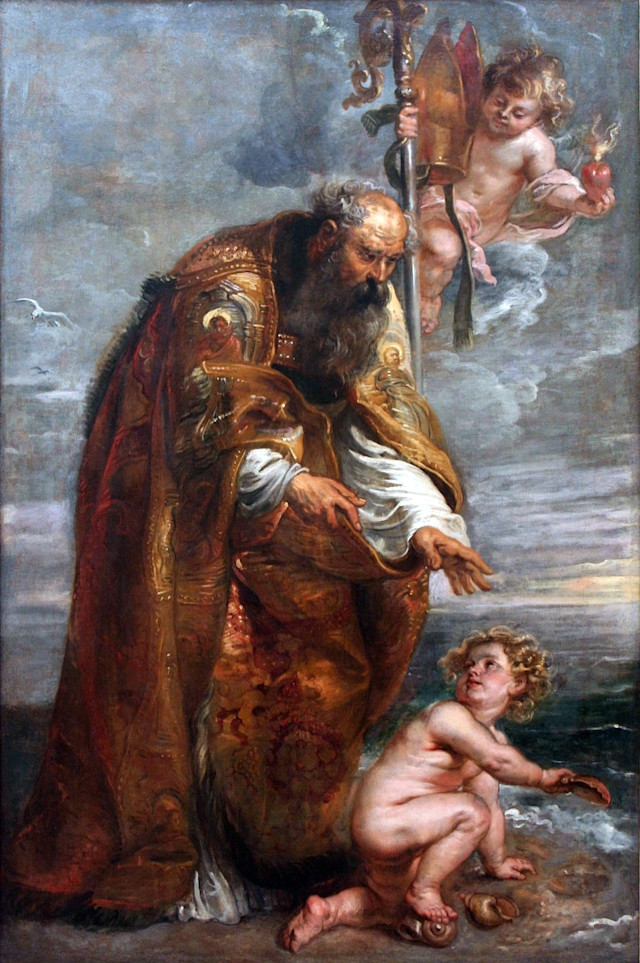
Saint Augustine of Hippo (354-430 AD) was a bishop
“But if there be any (heresies) which are bold enough to plant themselves in the midst of the apostolic age, that they may thereby seem to have been handed down by the apostles...Let them produce the original records of their churches; let them unfold the roll of their bishops, running down in due succession from the beginning in such a manner that [that first bishop of theirs]...shall be able to show for his ordainer and predecessor some one of the apostles or of apostolic men, — a man, moreover, who continued steadfast with the apostles.” (Prescription Against Heretics, ch. 32)
Tertullian went on to list the major churches of the early church period, explaining that each could trace its founding to one of the original apostles. The church of Smyrna was established by St. John, the church of Rome by Sts. Peter and Paul, and so on. In this period, they kept careful records of the succession of apostles, and all of the churches could trace their lineage back to one of these original disciples of Christ. If they couldn’t, that would be a sign that they were not really inheritors of authentic apostolic teaching. This record is what Tertullian refers to when he tells them to “unfold the roll of their bishops” – he meant the literal, physical records! Whether they had true apostolic succession, in other words, was the real mark of whether their teachings were “Christian” or not.
In types of Christianity that include the formal role of the bishop, a “priest” is a type of clergy ranking just under a bishop, someone who doesn’t have the same kind of oversight but who acts on the bishop’s behalf and runs a local church. His main job is to serve communion, hear confessions, perform weddings, baptize new Christians, and perform all the other sacramental functions. To learn more about sacramental Christianity, check out my short introductory book on the topic.
What is a Vicar, a Cardinal, or the Pope?
There are many other names for priests and pastors that have been used throughout history. A “vicar” is another general title that can have a specific meaning. Literally, a vicar is just someone whose job it is to act for another person, or in place of another person. It means something like “deputy”, “representative”, or “vice” as in “vice-principal”, and has the same root as our word “vicarious”. The word can be used politically or religiously, but in a religious context, it refers to someone who stands for someone else. In a sense, all bishops are literal vicars for Jesus himself, and priests are vicars of the bishops.
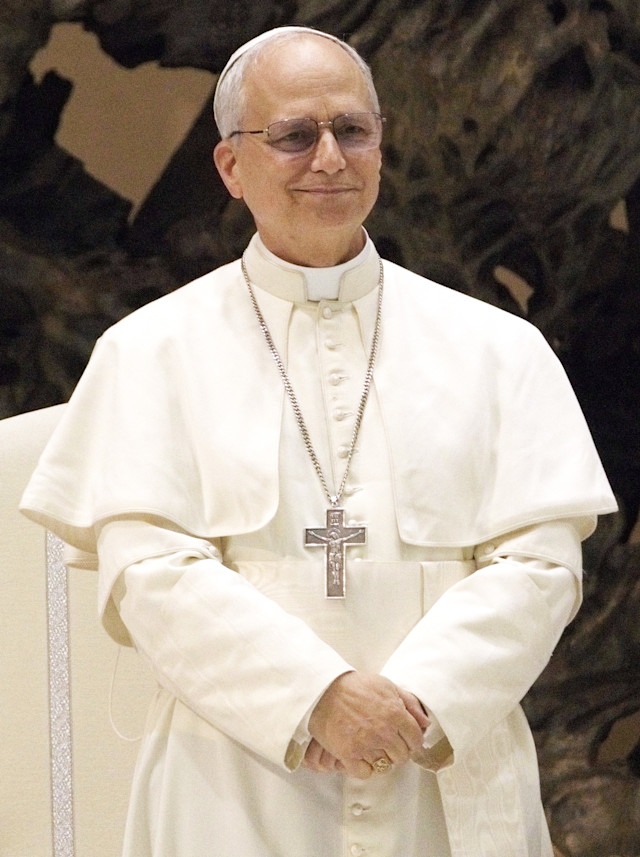
Pope Leo XIV is the current head of the Catholic Church
To sum up, a “pastor” is a term that refers to anyone in a Christian group who performs any kind of “shepherding”. This term can be used for basically any denomination in almost any context, precisely because it’s a general term.
A “priest” is, however, a type of clergy, and while there are various ranks of clergy (bishops, priests, deacons, etc.) with different functions, what they share in common is the idea that they have a special authority that’s derived from the original apostles, and thence from Christ. This idea has been generally shared across Christian denominations, whether Orthodox, Catholic, or Protestant. All the different terms—“vicar”, “pope”, “cardinal”, “metropolitan”, etc.—are just denomination-specific ways (usually Roman Catholic, Eastern Orthodox, or traditional Anglican) of referring to different types of bishops and priests based on the kinds of jobs they perform.
Subscribe
Life-giving writing by Christian scholars sent to your inbox once per month
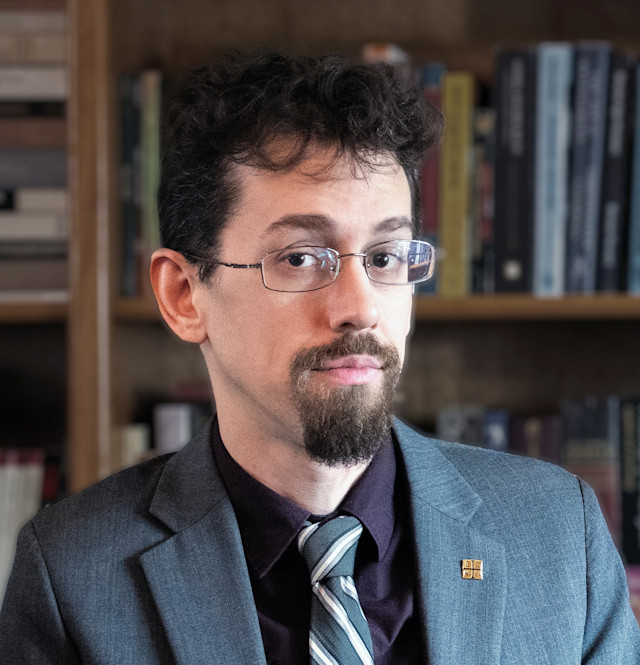
Dr. Zachary Porcu has a PhD in church history from the Catholic University of America in Washington DC, with additional degrees in philosophy, humanities, and Classics (Greek and Latin). He is an Eastern Orthodox Christian.
Keep reading
What is the sin of envy in the Seven Deadly Sins?

Are there aliens in the Bible?
The Sigil of Baphomet and the Satanic Pentagram
Healing is the children's bread?

Where is Amenadiel in the Bible?