What was Cabul in the Bible? PhD says: Two different towns
The short story
Cabul (or Kabul) is a land or city mentioned twice in the Bible: once in the Book of Joshua and once in 1 Kings. A king rejects Solomon's attempt to gift him this city, calling it "Kabul," meaning "that which does not please". Kabul in the Bible has no connection to the current capital of Afghanistan.
Cabul is a region of lower Galilee, in the north of what is now modern-day Israel. The words Cabul and Kabul seem to be the same place, as they are different ways of spelling the Hebrew word כבול. The name is mentioned in two places in the Bible. The first is in Joshua 19:27, where it is assigned to the tribe of Asher during the distribution of the different regions to the respective tribes of Israel, but there isn’t much that’s said about it in the book of Joshua.
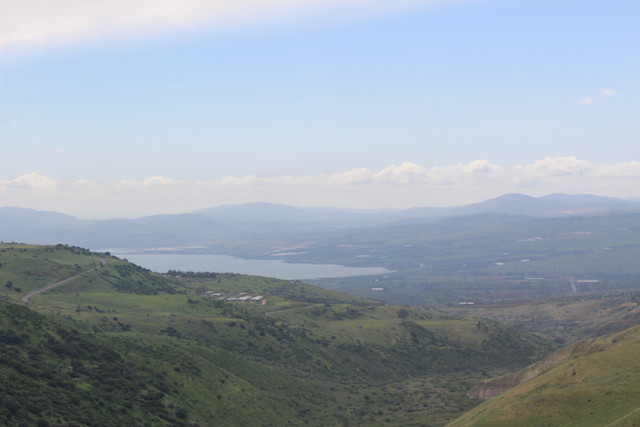
The sea of Galilee as seen from the ruin of Gamla.
“‘What kind of towns are these you have given me, my brother?’ he asked. And he called them the Land of Kabul, a name they have to this day.” 1 Kings / 3 Kingdoms 9:13
Kabul according to Josephus, an ancient writer
Scholars have speculated about the connection between these two places. Kabul could be a derivative of the Aramic word mekubbal, which means “clad,” possibly a reference to what the inhabitants of the land wore. But another clue comes from the fact that the king called these cities “kabul” out of his displeasure with them, as kabul in the Phoenician language means “what does not please.”
The famous Roman Jewish historian Josephus holds this opinion. His commentary is more or less the same as the Biblical story:
“When Solomon had completed all this in twenty years' time, because Hiram King of Tyre had contributed a great deal of gold, and more silver to these buildings, as also cedar wood and pine wood, he also rewarded Hiram with rich presents... [...] And besides these, he granted him certain cities of Galilee, twenty in number, that lay not far from Tyre; which, when Hiram went to, and viewed, and did not like the gift, he sent word to Solomon that he did not want such cities as they were; and after that time these cities were called the land of Cabul” (Antiquities of the Jews 8.5.3)
Josephus gives what has become the standard explanation for the naming of these cities. The king of Tyre literally calls them “that which does not please,” and the name stuck. This method of naming is similar to how street names in cities evolve over time. “Orchard Lane” might not have an orchard on it right now, but there was originally one there, and so that’s how everyone referred to that road. For the same reason, almost every city has a Main Street or Central Avenue—probably because when the town was first built, there was only one paved road or only one main road at all.
Alfred Sisley - Allée of Chestnut Trees - 1878
But why did Solomon give a group of cities to the king of Tyre in the first place? Our article on the Algum wood that the king of Tyre gave to Solomon gets a little more into it.
What was Afghanistan called in the Bible?
Confusingly, Kabul is also the name of the capital city of Afghanistan. The city has been known by a variety of names and spellings over the centuries, including Kubha (in Sanskrit) and Kophen or Kophes (in Greek). One legend attributes the origin of the name to the Persian words “kah” and “pul”, meaning a bridge made out of straw.
While it’s tempting to see the name Kabul in the Bible and think that it was the ancient or Biblical name for Afghanistan, the resemblance between the two is purely coincidental. The place mentioned in the Bible is a northern region of Israel, on the eastern coast of the Mediterranean, while the modern-day capital of Afghanistan is in Afghanistan, some 2,500 miles to the east! That’s a little longer than the distance from coast to coast in the United States. Despite the similarity in name and region, the Biblical authors certainly did not mean Afghanistan.
Subscribe
Life-giving writing by Christian scholars sent to your inbox once per month
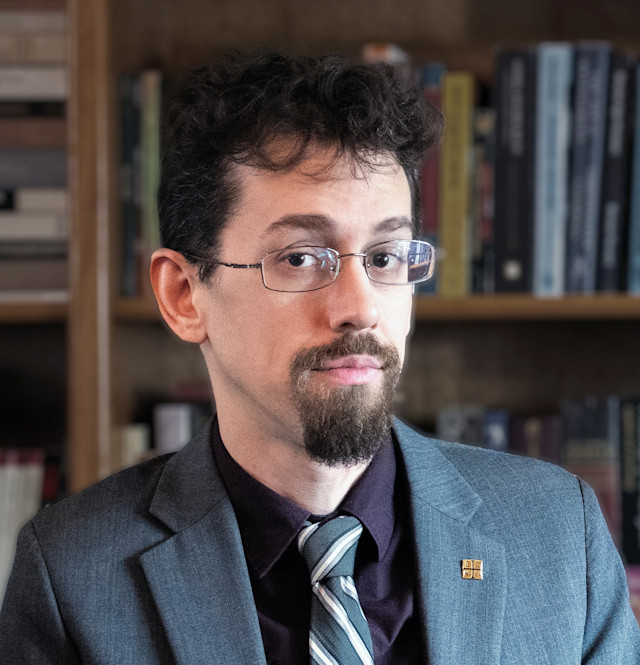
Zachary Porcu has a PhD in church history from the Catholic University of America in Washington DC, with additional degrees in philosophy, humanities, and Classics (Greek and Latin). He is an Eastern Orthodox Christian.
Keep reading
Hineni in Hebrew: “Here I am” from God and Man
Who was Jotham, king of Judah?
Who is Esaias in the Bible? Answered by a Christian Scholar
What are the prophetic books of the Bible?

Peor: The Mountain and God of the Moabites