What is a Pastor Emeritus? Should they exist?
The short story:
“Emeritus” is a title that means someone who is retired but still functions in their previous role to some degree. It is commonly used for professors and academics but can be used for pastors in certain cases.
“Emeritus” is a title that’s occasionally given to someone after they retire. It’s a way of giving honor to someone by allowing them to keep their title, especially if they continue to work in a smaller capacity.
The word comes from the Latin phrase “e meritus.” Literally, it means “out of merit”—and you can see the word “merit” in it. The title “emeritus” is often given to people on the basis that they merited it from many years of good service.
Most people are probably familiar with the title from academia, where famous professors who retire are made into a “professor emeritus” (or, for a female professor, a “professor emerita”). Those professors no longer teach classes or do research, but they remain attached to the institution and often continue to attend events and participate in the community—perhaps by giving lectures at events, contributing to research, or supervising in some limited capacity—but without any of the demands of a regular, unretired, full-time professor.
What does Emeritus mean in the bible?
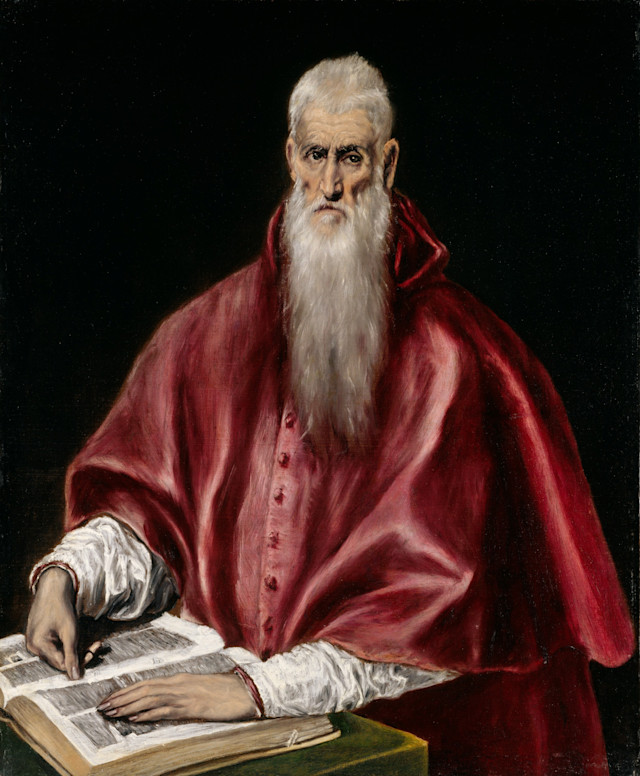
El Greco - Saint Jerome as a Scholar - circa 1610
Of course, that it is not from the Bible doesn’t mean it’s a bad practice. But since there is no Biblical mandate, how the practice is conducted today depends on the religion or denomination. A Presbyterian minister, a Non-Denominational pastor, and a Catholic priest are all different roles with different kinds of responsibilities. You can read more about these differences in our other article on the topic.
In many Protestant churches, where the main job of the pastor is teaching and preaching, a pastor may retire in the same way that a professor does. This practice is especially common if the particular local church was founded on the popularity of a charismatic speaker or big-name celebrity, just as certain universities become famous because they have a star faculty member on staff. In that case, retiring the pastor but keeping them associated with the church might help the church continue to attract people. Such a pastor might receive the title “pastor emeritus.” Though retired, they might still give occasional sermons or be part of the community, while a younger, non-retired pastor could handle the day-to-day responsibilities of the church.
In sacramental Christian traditions, like Catholicism and Orthodoxy, the situation would be a little different. While priests do give sermons, that is not their primary job. The primary role of the priest is to administer the sacraments, including serving the Eucharist, performing baptisms, hearing confessions, performing weddings, and anointing the sick.
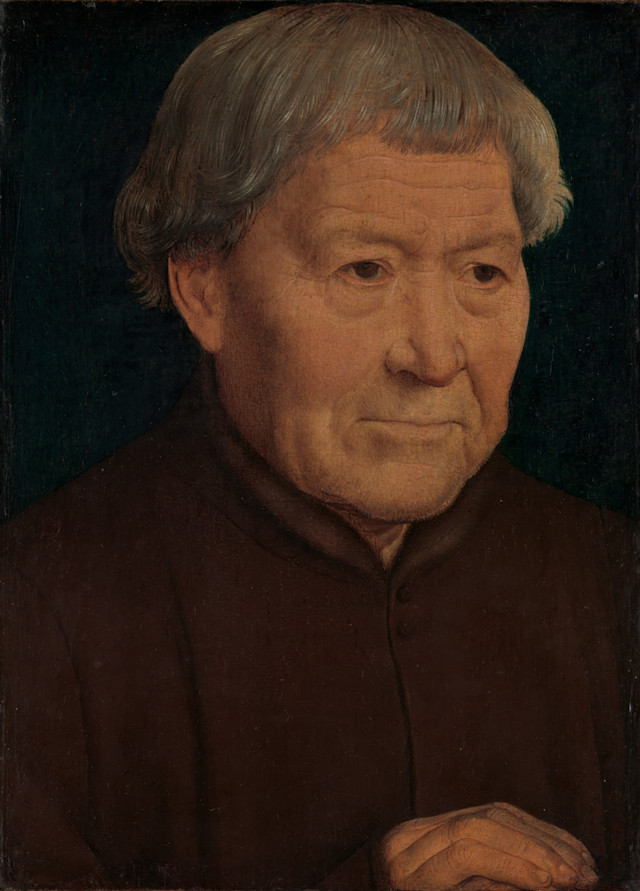
Hans Memling - Portrait of an Old Man - circa 1475
Should retired pastors remain in their church?
It depends on the denomination, but it would be difficult to say that a retired pastor should leave his local church community—to me that seems very odd.
In most Protestant churches, I could see an argument made for retired pastors stepping down entirely: since there isn’t a liturgy for them to be a part of in the same way as in Orthodoxy or Catholicism, having a retired pastor around could lead to conflict over how services proceed. But if the pastor is famous and beloved, it would seem like a disservice to his church community to disallow him from giving the occasional sermon or participating in the life of that church community in a way that helped attract new members. Were they physically unable to do any of those things, obviously they shouldn’t be forced to, but a major point of the title of emeritus is that you want that person to retire but also continue to be associated with your institution.
In Orthodoxy and Catholicism, while a retired priest might stop being the head pastor—that is, the person whose primary responsibility is shepherding his parish—he remains a priest and still has the special vocation of the priesthood. As such, he can and should continue to serve at the altar during liturgies, if he’s able.
But, in any case, why would you kick someone out of the church community that they have served for so many years, just because they are retired?
Subscribe
Life-giving writing by Christian scholars sent to your inbox once per month
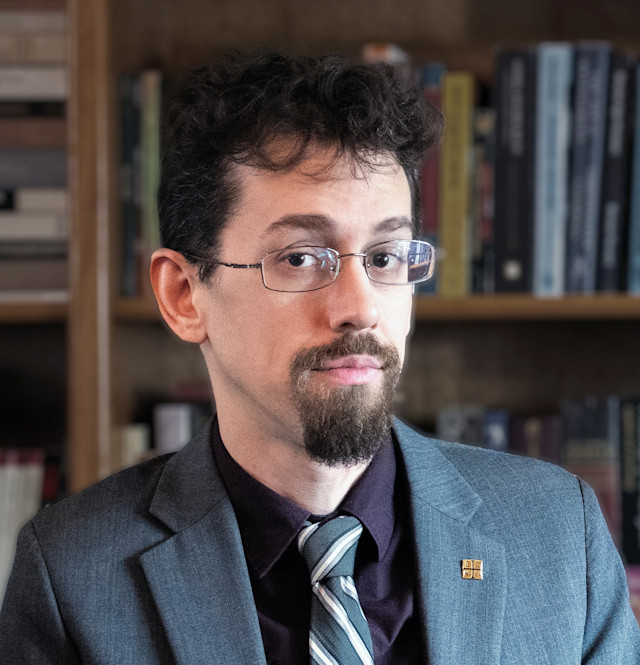
Zachary Porcu has a PhD in church history from the Catholic University of America in Washington DC, with additional degrees in philosophy, humanities, and Classics (Greek and Latin). He is an Eastern Orthodox Christian.
Keep reading

Pastor vs. Priest: What are the differences?
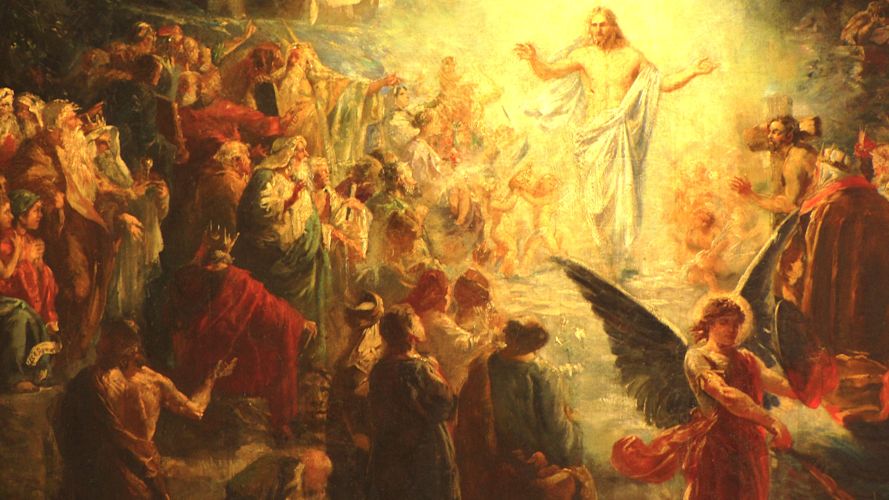
How Hot is Hell? Biblical Ideas vs. Pop Culture Depictions
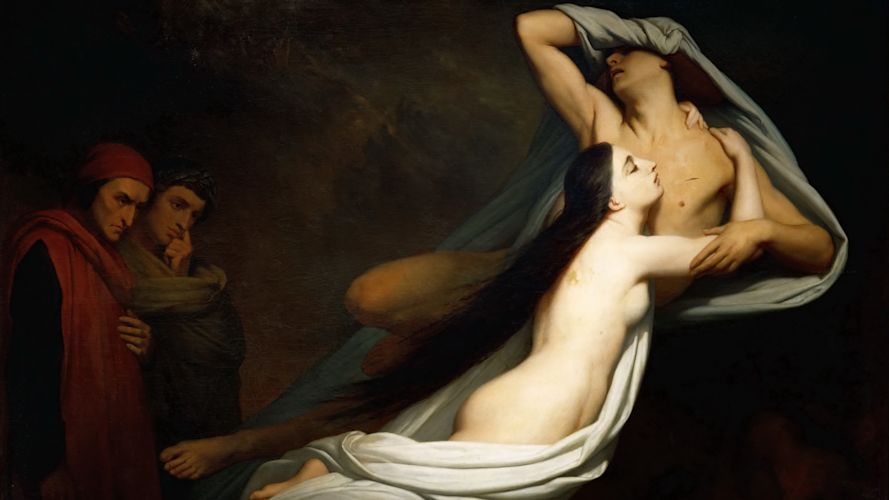
The Problem with Sexual Sin

The Baptism of Poland: Unification and Christianization
What are the best Bible verses about love and trust?