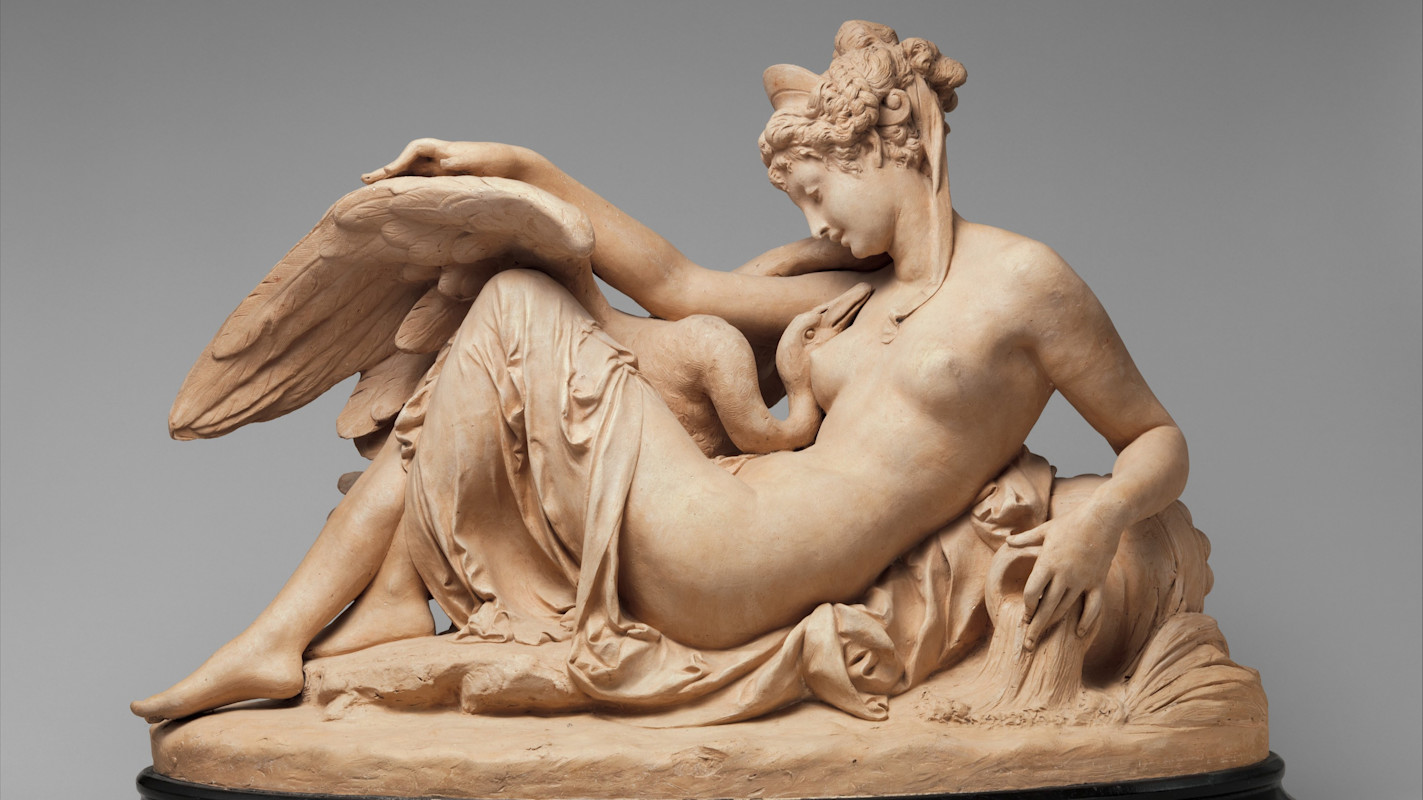
Bestiality and other deviant sexual practices in the Bible
The short answer:
Bestiality is the act of having sexual relations with an animal, and it is one of many practices prohibited in both the Bible and the early Church. Onanism is the practice of ejaculating outside of a woman during intercourse rather than inside of her. As described in the Bible, Onan, the son of Judah, engaged in this practice to take an inheritance for himself.
The Bible lists many prohibitions on various kinds of sexual behavior. Leviticus puts the main ones in a short list together, and includes adultery and homosexuality along with bestiality:
“...you shall not lie carnally with your neighbor’s wife, to defile yourself with her. And you shall not let any of your descendants pass through the fire to Molech, nor shall you profane the name of your God: I am the Lord. You shall not lie with a male as with a woman. It is an abomination. Nor shall you mate with any animal, to defile yourself with it. Nor shall any woman stand before an animal to mate with it. It is perversion.” (Leviticus 18:20-23)
The first prohibition is about committing adultery, that is, having sex with someone else’s spouse.
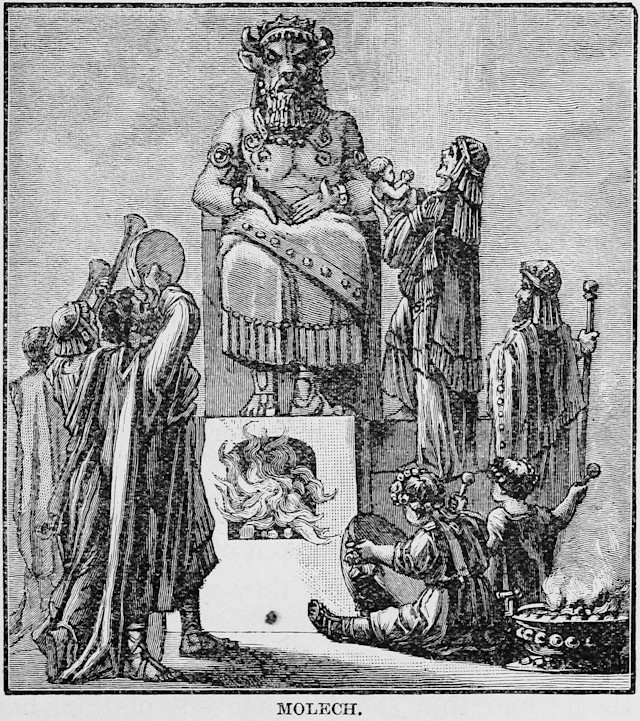
Child sacrifice to Molech, from The Story of the Bible from Genesis to Revelation: Told in Simple Language, by Charles Foster, 1884.
The final verses are admonitions against homosexuality and bestiality, which were stigmatized for similar reasons, actually. The religious laws of ancient Israel were the precursors for the Christian understanding of sexuality that would come to fullness in the early Church period: namely, that sexual acts were not primarily about self-gratification but were more like sacred, religious rituals that had real spiritual content and therefore needed to be done with care and discretion.
What is Exodus 22:19?
Eugeniusz Zak - Surprised Fisherman - 1925
It’s easy for modern people to get hung up on the harshness of some of these punishments, but to do so is to allow our modern biases to distort our understanding of ancient people. In the ancient world, prior to the incarnation of Christ, there was no sense that human life had intrinsic value in the way it does modern people living in a post-Christian world. Human life was “cheap”, generally speaking, and the bronze age was—to us now—characterized by almost unbelievable brutality and callousness towards human beings. Ancient people would not have been startled by these kinds of commandments; they probably would have expected them. Putting people to death in various religious contexts and in ritual ways was common to basically every ancient culture. But that’s a topic for another article.
Bestiality and Zoophilia
So what is bestiality, exactly? Bestiality is the word used to describe the act of having sexual relations with an animal, while the word “zoophilia” describes a sexual attraction to or sexual fixation with animals—but not necessarily engaging in sexual behavior with them. There is pictorial evidence of bestiality being practiced (or at least being imagined) as far back as the prehistoric era. It was harshly punished in many ancient societies, and in the modern era it is illegal in many countries under laws related to animal abuse, sodomy, and even what are called “crimes against nature.”
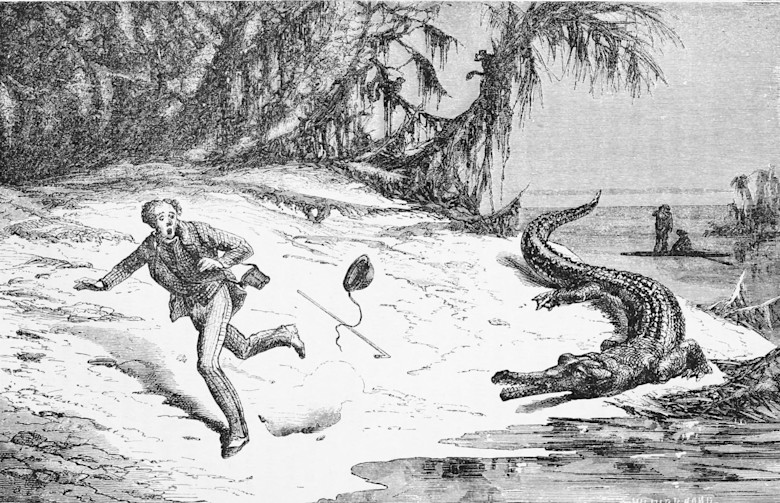
The Englishman and the Caiman, from Reptiles and Birds: A Popular Account of the Various Orders, Louis Figuier, 1869
Onanism in the Bible
What is Onanism? Onan was the son of Judah as described in Genesis chapter 38. Onan’s older brother, Er, was killed, which made his wife, Tamar, into a widow. According to a custom called a “levirate marriage,” Onan was obligated to marry his brother’s widow to protect her and provide offspring for her. In a levirate marriage, any sons born to the woman would be considered the property of the deceased first husband, rather than the brother who remarried the widow. Therefore, they would inherit everything from both their biological father (their uncle, whom their mother remarried) as well as the inheritance they would have received from their “real” father (the late husband of their mother). As such, any son born to Onan and Tamar would inherit both Onan and Er’s fortunes, but if Tamar never had any sons, Onan himself would inherit his late brother’s wealth.
So what did Onan do? He married his brother’s widow and slept with her, as he was obligated to do, but whenever he did, he deliberately ejaculated outside of her so as not to give her any heirs. Why? So that his new wife wouldn’t have any children and he could receive his dead brother’s inheritance.
“And Judah said to Onan, ‘Go in to your brother’s wife and marry her, and raise up an heir to your brother.’ But Onan knew that the heir would not be his; and it came to pass, when he went in to his brother’s wife, that he emitted on the ground, lest he should give an heir to his brother.” (Genesis 38:8-9)
The text calls this action a sin. This passage is commonly referred to as evidence that the Bible condemns birth control or masturbation or both, but that isn’t how the text presents itself. While there are other good arguments against various types of birth control from a Christian perspective, and against masturbation specifically (see our article on the topic here), that’s not what this passage is really about. The sin that Onan commits is related to his refusal to fulfill his familial duty and his desire to steal his brother’s inheritance for himself. In fact, when you think about it, the sin in this story is greed or avarice rather than lust.
The Christian view of deviant sexual practices
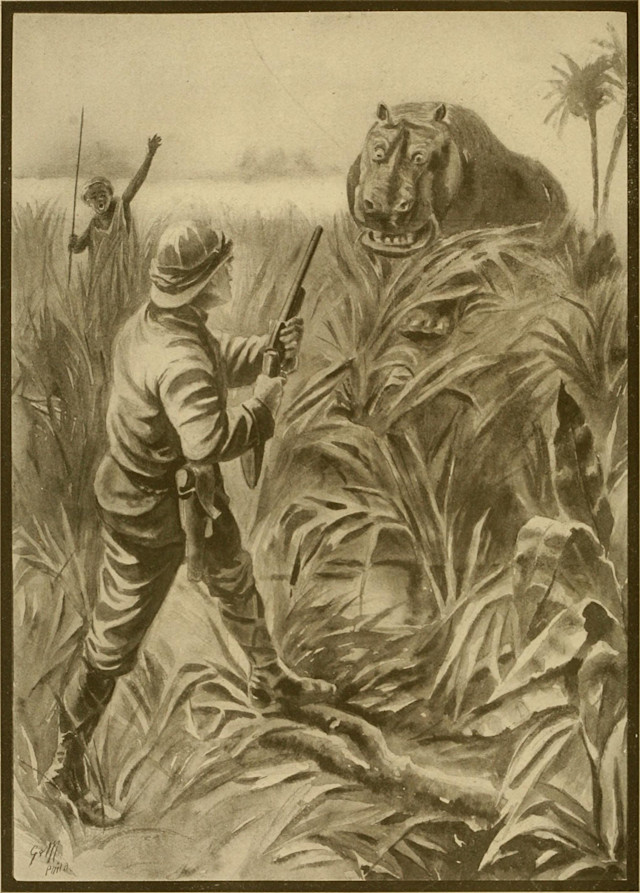
Roosevelt Surprised by a Giant Hippo, from Roosevelt's African Trip by Frederic William Unger, 1909
One common view is that these practices were only condemned in the Old Testament because of the laws of Moses, like the prohibitions about eating pork or the various ritual cleanliness laws of the Jews. Because Christians now eat pork and wear clothing with mixed fabrics—the argument goes—we can also relax these Old Testament laws and have sexual relations as we please.
It’s true that the early Church and later Christians stopped following the law of Moses as it was practiced by the ancient Israelites. But does that mean that these laws became invalid? Not so. Christ himself says, “Do not think that I came to destroy the Law or the Prophets. I did not come to destroy but to fulfill” (Matthew 5:7). So it’s not that the Old Testament laws are simply invalid now; they are transformed and fulfilled by Christ. Some of them, like the prohibitions on unclean meats and mixed fabrics, had spiritual meaning that is now fulfilled and therefore transformed. There is a whole episode in the Book of Acts where St. Peter has a dream in which he receives a vision from God that he should eat the meat that was previously considered unclean.
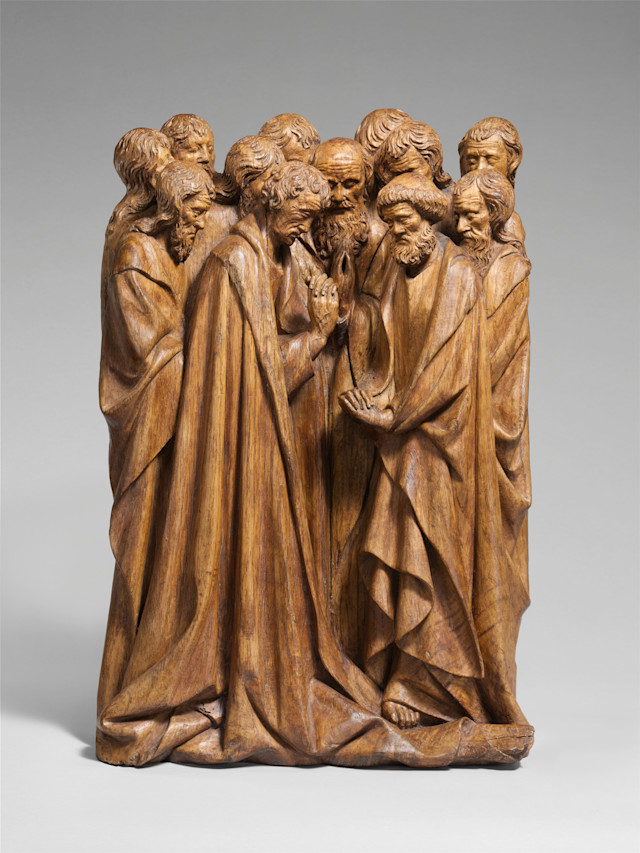
This relief from the Netherlands circa 1400 shows the apostles praying together in a close group.
“For it seemed good to the Holy Spirit, and to us, to lay upon you no greater burden than these necessary things: That you abstain from things offered to idols, from blood, from things strangled, and from sexual immorality. If you keep yourselves from these, you will do well.” (Acts 15:28-29)
In other words, avoiding sexual immorality was one of the old practices that the early Christians—indeed, the very first council of the Church—specifically maintained going into the new Christian era.
Another incorrect notion is that these sexual deviancies were mentioned or condemned in the Old Testament but not in the New Testament. However, St. Paul mentions them in multiple places:
“For this reason God gave them up to vile passions. For even their women exchanged the natural use for what is against nature. Likewise also the men, leaving the natural use of the woman, burned in their lust for one another, men with men committing what is shameful, and receiving in themselves the penalty of their error which was due.” (Romans 1:26–27)
He also lists those who practice homosexuality and sodomy, along with fornicators, in a list of those who are not living in accordance with the kingdom of God.
“Do you not know that the unrighteous will not inherit the kingdom of God? Do not be deceived. Neither fornicators, nor idolaters, nor adulterers, nor homosexuals, nor sodomites, nor thieves, nor covetous, nor drunkards, nor revilers, nor extortioners will inherit the kingdom of God.” (1 Corinthians 6:9-10)
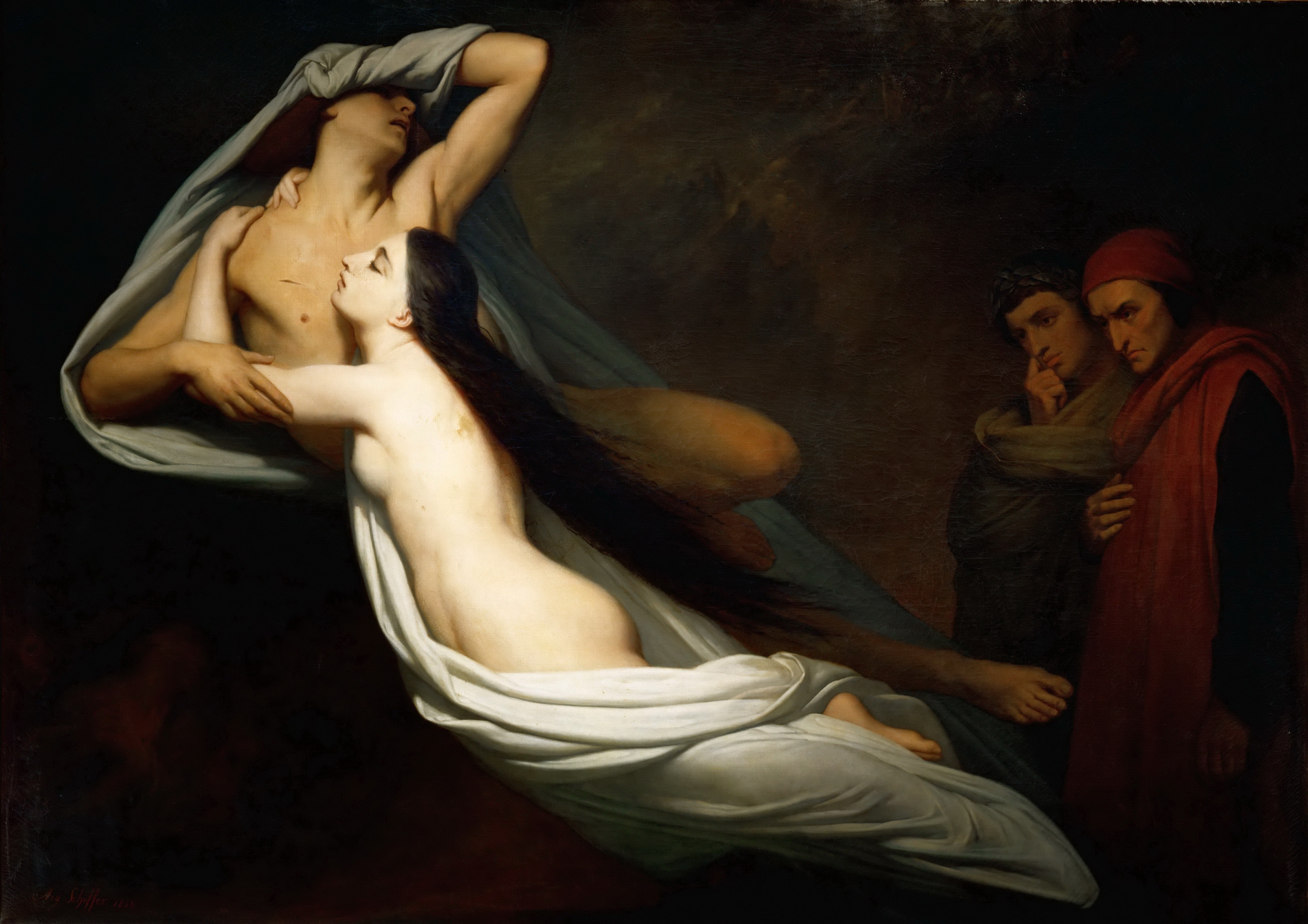
Ary Scheffer - Dante and Virgil Encountering the Shades of Francesca de Rimini and Paolo Malatesta in the Underworld - 1855
People who want to defend these sexual practices today often try to argue that St. Paul didn’t mean all homosexual behavior, or that he only meant sexuality done without moderation, or something like that. These sorts of arguments tend to strike me as dishonest, because they ignore the larger context of the Christian understanding of sexuality. After the Incarnation of God as Jesus, the cosmos changed, down to its core. Everything that had been previously distorted by the Fall of man, the corruption of the Earth, and the fall of the angels was now being restored. Most significantly, death itself was defeated by Christ’s death and resurrection; the pagan gods were overthrown and could no longer rule the world; and the law of Moses was completed, which meant that our ethics and other behavior had to change from how they were practiced in Moses’ time.
Early Christians came to understand that the law of Moses had always been incomplete. Like the words of the prophets, it was a prefiguring or a foreshadowing of the coming of Christ and his ultimate fulfillment of all things. There were many practical elements of the law of Moses, but its real depth was its spiritual content—the way that these practices explained the cosmic nature of reality.
At the time of Moses, the rituals and other practices of the ancient Israelites reflected the cosmic situation. For example, there was always a curtain in the tabernacle of the Hebrew temple to separate the people from the inner place where God dwelt. This division reflected the fact that there was a fundamental separation between God and man. When Christ became a man, however, and joined our human nature to God’s divine nature, the cosmic situation changed. Therefore, the way the faithful interact with God in these ritual contexts, and even in the way we live our lives, also changed.
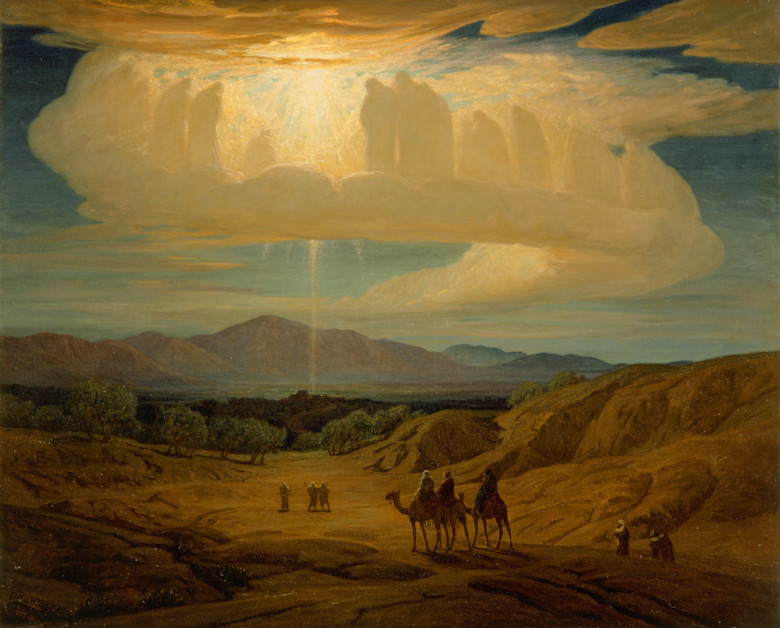
Elihu Vedder - Star of Bethlehem - 1879
One of the main examples of how this cosmic change affected our daily lives is in the context of sexuality. In the Old Testament, as in the ancient world by and large, it was not considered a sin for a man to have many wives. But in the early Church era, this practice had died out because the nature of sexuality had changed. Following the incarnation of Christ, human sexuality was now itself a symbol for the marriage between Christ and the Church. Every Christian marriage was both a physical marriage and a spiritual symbol (or what the Church Fathers call a “type”) for a higher kind of reality. Sexuality, therefore, is not merely a recreational activity for married Christians or even a means to the end of having children: it’s a ritual, religious act with intense spiritual significance.
An article of this length can only scratch the surface of a big topic like this one, because the way that ancient people thought was so different from the way that modern people think. Ancient people weren’t dumb or otherwise inferior; people think differently in different periods of human history, to the point that understanding why they might think or act in a certain way is nearly impossible for us unless we take the time to first understand how they thought about the world. For further reading, therefore, I recommend my book on thinking like the ancient Christians: Journey to Reality: Sacramental Life in a Secular Age.
Subscribe
Life-giving writing by Christian scholars sent to your inbox once per month

Zachary Porcu has a PhD in church history from the Catholic University of America in Washington DC, with additional degrees in philosophy, humanities, and Classics (Greek and Latin). He is an Eastern Orthodox Christian.
Keep reading
What does the Bible say about self-satisfaction?

The Bible on pornography: What does God say about porn?

Who was Tartak in the Bible? The idol of the Avites
How Hot is Hell? Biblical Ideas vs. Pop Culture Depictions
The Problem with Sexual Sin