Who was Phanuel? Archangel or Father of Anna?
The short answer:
Phanuel is named in the Bible as the father of Anna the Prophetess. The use of “Phanuel” as the name of an angel comes from the Book of Enoch, so it’s difficult to say if there really is an angel with this name.
Phanuel the angel is not mentioned in the Bible. This figure comes from the Book of Enoch, where he belongs to the ranks of the good angels who serve the God of gods. Those good angels are opposed to the fallen Watchers, a group of rebel angels who turn from God and have sex with human women, which results in the birth of a horrible race of human-angelic hybrids called the Nephilim. This disaster ultimately culminates in the destruction of much of the world and the descent of the Great Flood to cleanse the earth.
But Phanuel is not among these rebel-traitors. According to the Book of Enoch,
“This first is Michael, the merciful and long-suffering: and the second, who is set over all the diseases and all the wounds of the children of men, is Raphael: and the third, who is set over all the powers, is Gabriel: and the fourth, who is set over the repentance unto hope of those who inherit eternal life, is named Phanuel.” (1 Enoch 40:9)
The only time that the name appears in the Bible is in the Gospel account of Luke. Saint Luke mentions that Phanuel is the name of the father of Anna the prophetess:
“Now there was one, Anna, a prophetess, the daughter of Phanuel, of the tribe of Asher. She was of a great age, and had lived with a husband seven years from her virginity.” (Luke 2:36)
Obviously, the Bible figure and the angel from the Book of Enoch are not the same person.
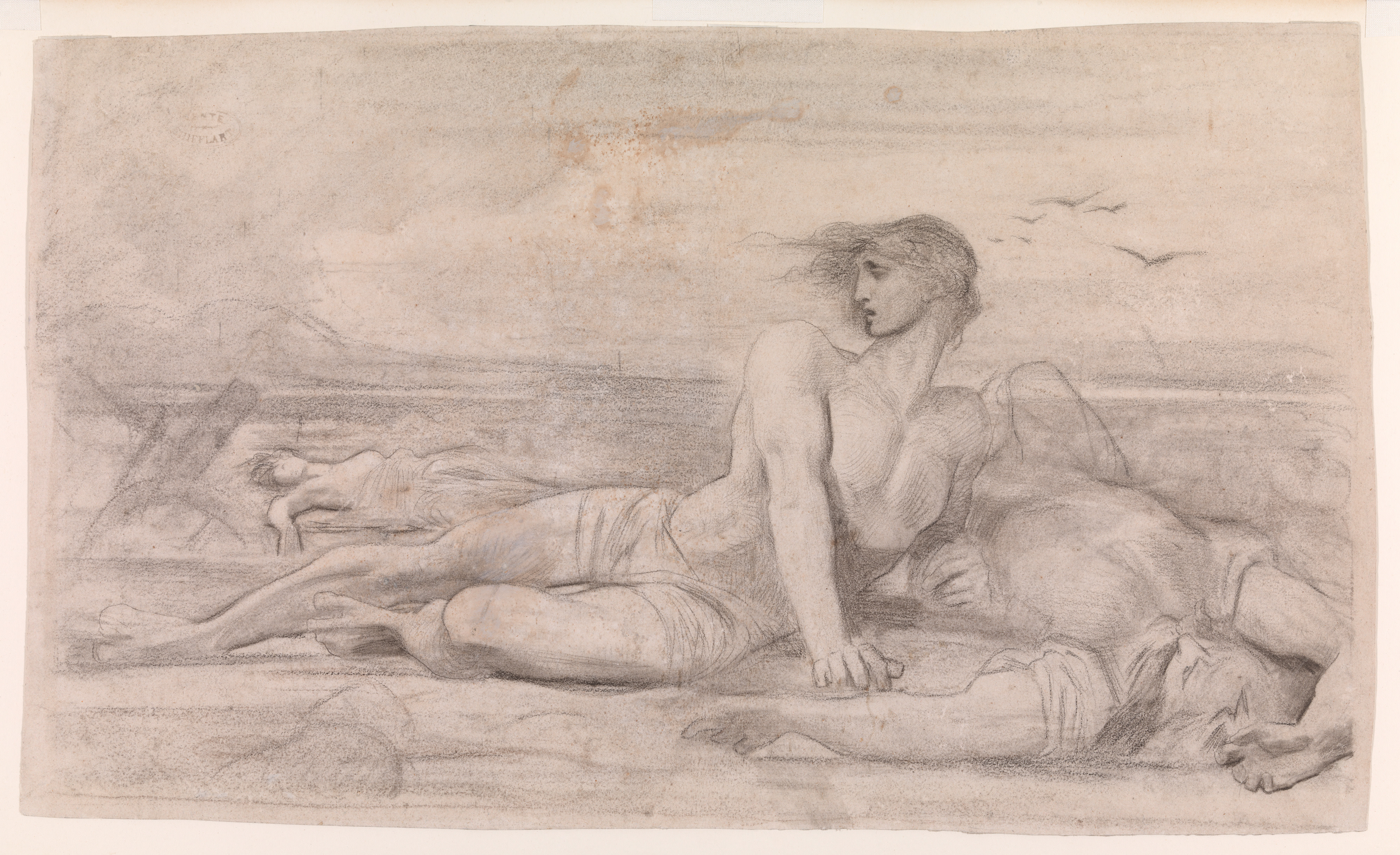
François-Nicolas Chifflart - The Flood - 1800s
Are Phanuel and Uriel the Same?
At some point it was suggested that Phanuel—who is not mentioned in the Bible—was another name for the angel Uriel, who is mentioned in the traditional canon of scripture. I’m not entirely sure where this idea arose, or why, but there is little evidence that Phanuel and Uriel are the same entity. Phanuel is listed as the fourth Archangel in the Book of Enoch, and Uriel is often (though not always) listed as the fourth archangel in certain traditions. Beyond that sequential similarity, there is nothing in the Bible or the Book of Enoch that indicates that Phanuel and Uriel are the same.
Michael, Gabriel, and Raphael are the most famous angels in Christianity and the most attested in the canon of scripture and the long traditions of the church. Uriel is somewhat less so, and the other three archangels that form the traditional list of “seven archangels” are even less evidenced. Different traditions give different names to final three angels, so it isn’t clear who they are.
One clue to the identity of these angels is their names. The names Phanuel and Uriel have very different meanings: Uriel means “God is my flame,” while Phanuel means “God has turned.” The dissimilarity between these two names makes the claim that these were the same angel somewhat dubious.
Who is the angel of truth?
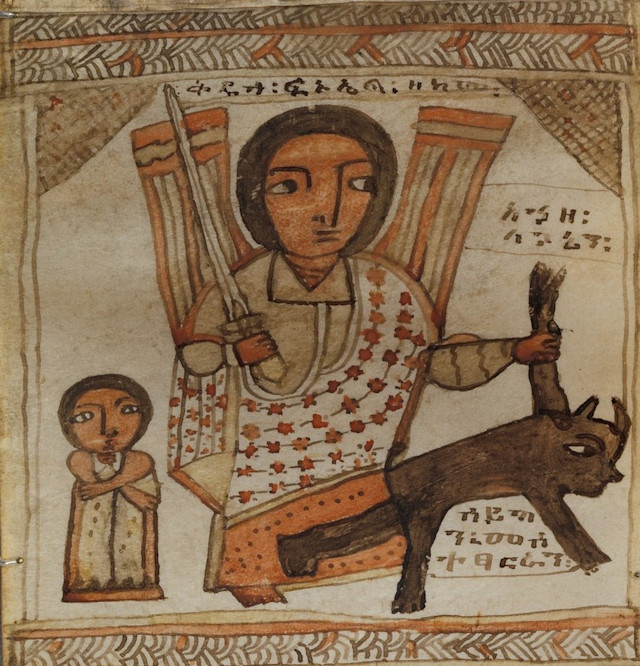
An 1800s tälsäm or yä bərana kətab from Ethiopia, depicting what may be the Archangel Phanuel.
This distinction is one of the main points of the Book of Enoch, and it is affirmed by the language of the Old and New Testaments. God put angelic beings in charge of the world; you might call them “gods,” as long as you understand that they are lower gods, not the God of gods who is uncreated. But, because of their inability to control their appetites, they fell—similar to Adam and Eve’s fall—and became morally corrupt.
The early church Fathers attributed the creation of the pagan religions to these creatures. If you look at the stories of the gods in Hinduism, the Greco-Roman world, or the ancient Egyptians, it’s not hard to see the various gods as slaves to their own desires—lust, gluttony, anger, et cetera. These lower gods were fallen angels who created new religions that mimicked the true religion—worship of the God of gods. They used these fake religions to get human beings to bring them the objects of their desires. In other words, something that fallen angels do is start religions with themselves at the center.
There are a lot of people who don’t know how to explain the existence of all the different religions throughout history, and it’s easy to dismiss them all as fake. Many modern Christians don’t believe in the pagan gods and think that only “the God of the Bible” is real, while the others are made up. But if you follow the language of the Bible and the consensus of the early church fathers, the truth comes out: these “gods” really do exist—they’re just fallen angels.
As a result, you need to be very careful about what sorts of angels you interact with. The devil is a liar, after all, and lies always have some truth to them. If you believe the Bible and the early church fathers about the nature of these creatures, it becomes entirely plausible that certain denominations and even whole religions were started by fallen angelic beings. Not all angels are creatures of truth; in fact, many of the powers and principalities of this world are guided by angels of lies.
Subscribe
Life-giving writing by Christian scholars sent to your inbox once per month

Zachary Porcu has a PhD in church history from the Catholic University of America in Washington DC, with additional degrees in philosophy, humanities, and Classics (Greek and Latin). He is an Eastern Orthodox Christian.
Keep reading

Why stay away from the Book of Enoch
Jesus and the Syrophoenician Woman: Gentile Salvation
Who was the first woman preacher in the Bible?
Was Jesus a Rabbi?
Is “love conquers all” in the Bible?