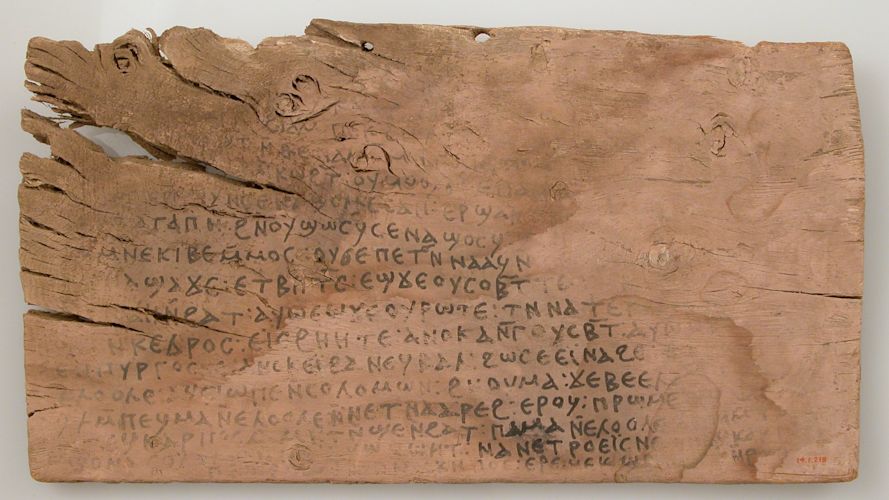
The Shulamite: Bride of Solomon and Allegorical Woman

The word “Shulamite” (also spelled “Shulammite”) is only used once in the Bible, in the Song of Solomon, chapter 6, verse 13. What does it mean? It’s at least a reference to the bride of Solomon, but the nature of the title is ...
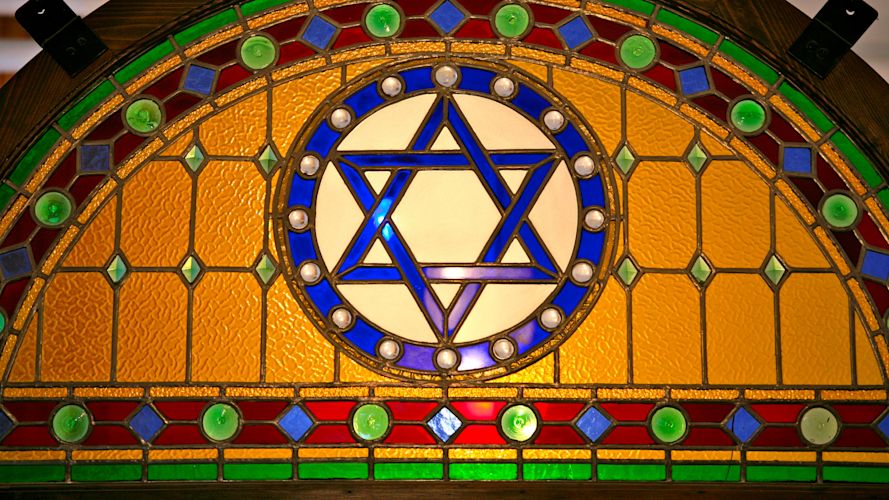
Pentagram vs Star of David: Symbolism Historical and Modern
While modern people tend to associate the pentagram with the devil, satanism, or magic in general, it’s important to realize that the pentagram is a perennial symbol that’s been used in huge range of cultural contexts for all o...
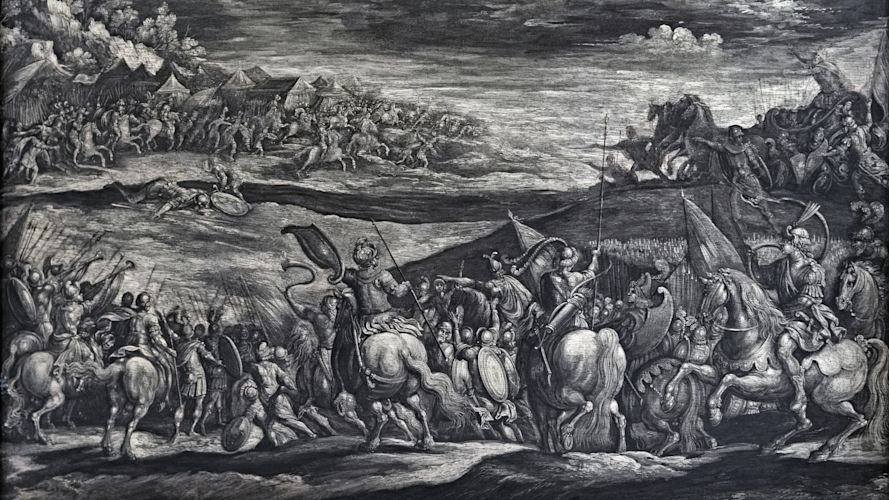
Abishai: Military leader for King David in the Bible
Abishai was a military leader who served under King David. He was the oldest son of David’s sister Zeruiah, who married a man named Suri. He commanded one of the three divisions of the army in the battle against David’s betraye...
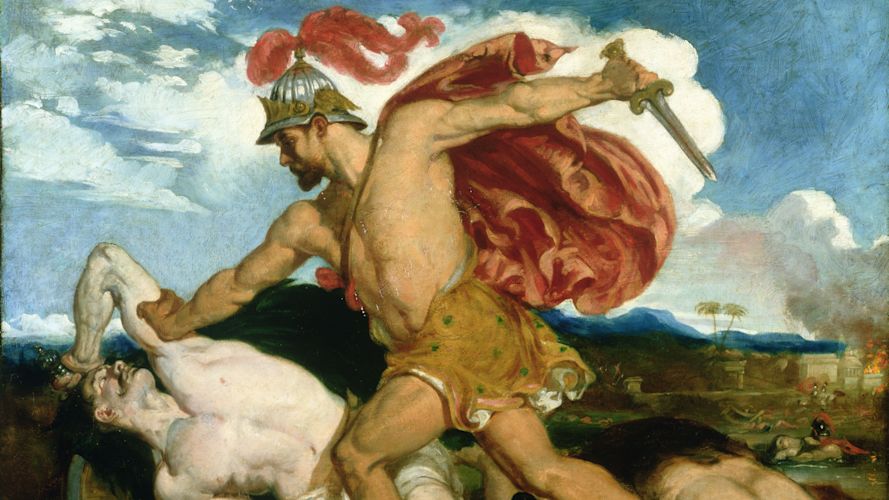
Benaiah, soldier of David and Solomon: What did he do?
Benaiah, son of Jehoiada was one of King David’s “mighty men” in the Old Testament. He was one of the supporting characters in the life of King David, especially in the complicated struggle for the throne among David’s sons. W...
What was Cabul in the Bible? PhD says: Two different towns
Cabul is a region of lower Galilee, in the north of what is now modern-day Israel. The words Cabul and Kabul seem to be the same place, as they are different ways of spelling the Hebrew word כבול. The name is mentioned in two p...

A fictional angel: Where is Amenadiel in the Bible?
Amenadiel is a figure from the DC comic Lucifer—a Neil Gaiman comic subsequently released as a 6-season television series in 2016. Amenadiel is portrayed as the older brother of Lucifer and the eldest of the angelic siblings, a...

What is algum wood in the Bible?
Algum is a type of wood that’s referenced in the Old Testament. It was one of the main types of wood used by Solomon in the construction of Solomon’s Temple. Almug and algum are both variants of the same word, originally writte...
Agur son of Jakeh: The mysterious proverb writer
Proverbs chapter 30 begins by noting that the following text is “sayings of Agur, son of Jakeh” and, depending the translation, that it is “an inspired utterance” (NIV) or a “prophecy” (KJV); that he is “the oracle” (ESV); and ...