The Symbolism of Birds in the Bible
The short story:
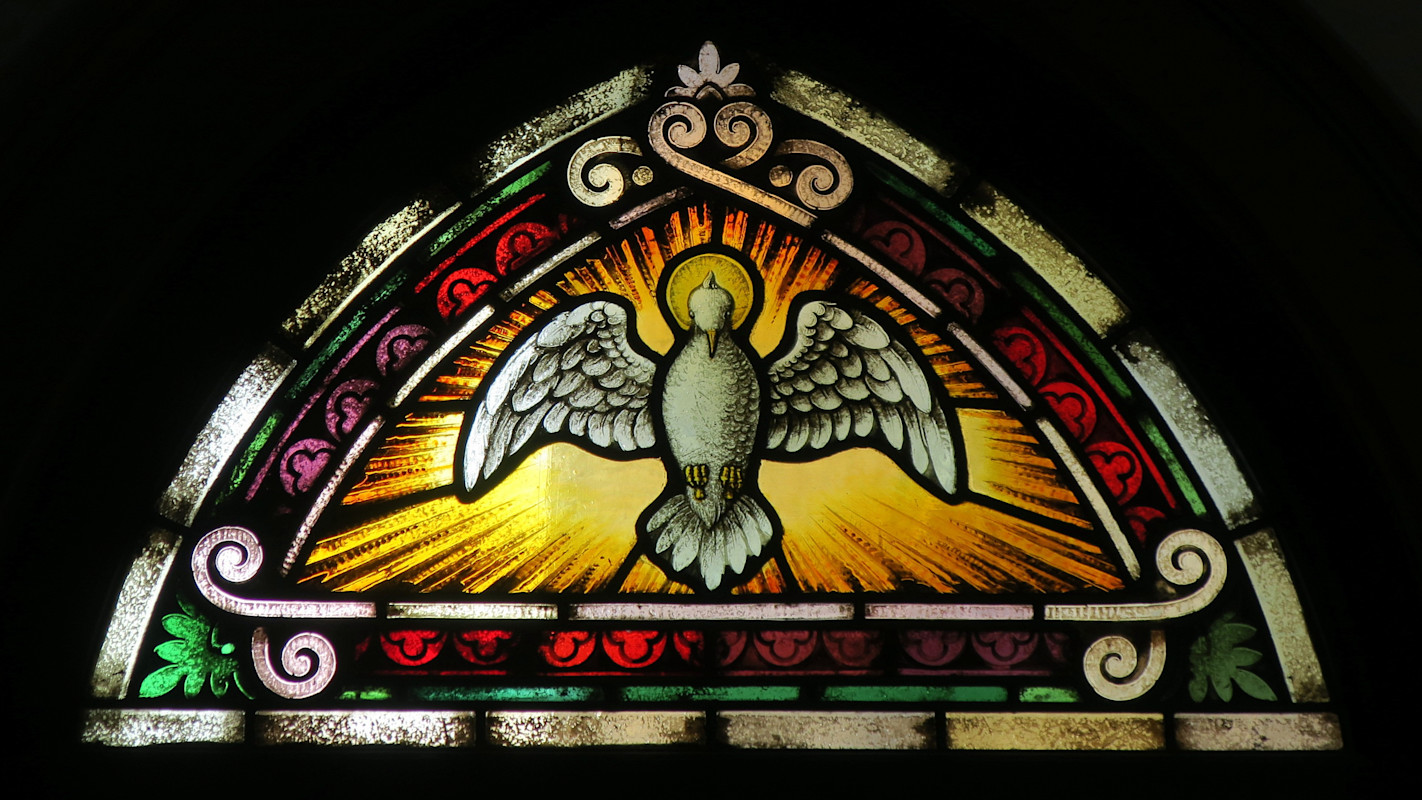
Birds have a variety of symbolic roles in the Bible, from the dove of peace to the owl of desolation. The dove is the most prominent symbol for the Holy Spirit, featured in all four Gospel accounts of Christ’s baptism. The most popular bird symbol for Jesus comes from an epistle of one of the second-generation apostles, who compares Jesus to the Phoenix.
As a general category, birds don’t symbolize any particular thing in the Bible, but different species are used for a variety of different types of symbolism. Owls and other birds of prey are often used to represent desolation. The prophet Isaiah mentions eagles in an oft-quoted passage about those who trust in God:
“But those who wait on the Lord
Shall renew their strength;
They shall mount up with wings like eagles,
They shall run and not be weary,
They shall walk and not faint.” (Isaiah 40:31)
Genesis, of course, mentions birds as part of the creation:
“Then God said, ‘Let the waters abound with an abundance of living creatures, and let birds fly above the earth across the face of the firmament of the heavens.’” (Genesis 1:20)
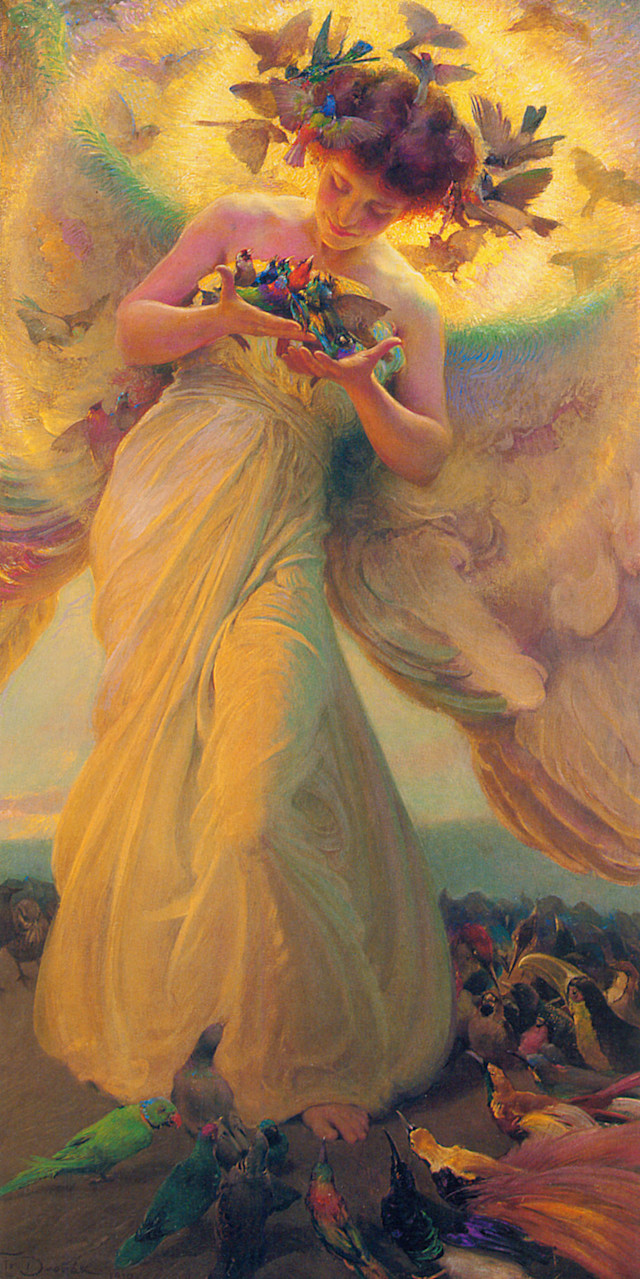
Franz Dvorak - The Angel of the Birds - 1910
What does Jesus say about birds?
Despite the intrinsic, heavenly associations that ancient authors had for birds, Jesus used birds in several examples to make a point about the value of human beings. In Matthew 6:26, he says, “Look at the birds of the air, for they neither sow nor reap nor gather into barns; yet your heavenly Father feeds them. Are you not of more value than they?” And in the Gospel of Luke, he says, “Are not five sparrows sold for two copper coins? And not one of them is forgotten before God. But the very hairs of your head are all numbered. Do not fear therefore; you are of more value than many sparrows” (Luke 12:6-7).
Despite the virtues of birds and their association with “higher” things, God values human beings more highly than birds. A way of interpreting these comparisons is that even though birds can literally fly and move freely throughout the heavens, human beings are of even more value to God, because the human—unlike the animal—is made in the image of God. One of the influential early church Fathers, Origen of Alexandria, said that humans are able ascend to a higher place even than the angels by means of virtue.
What is the holy bird in the Bible?
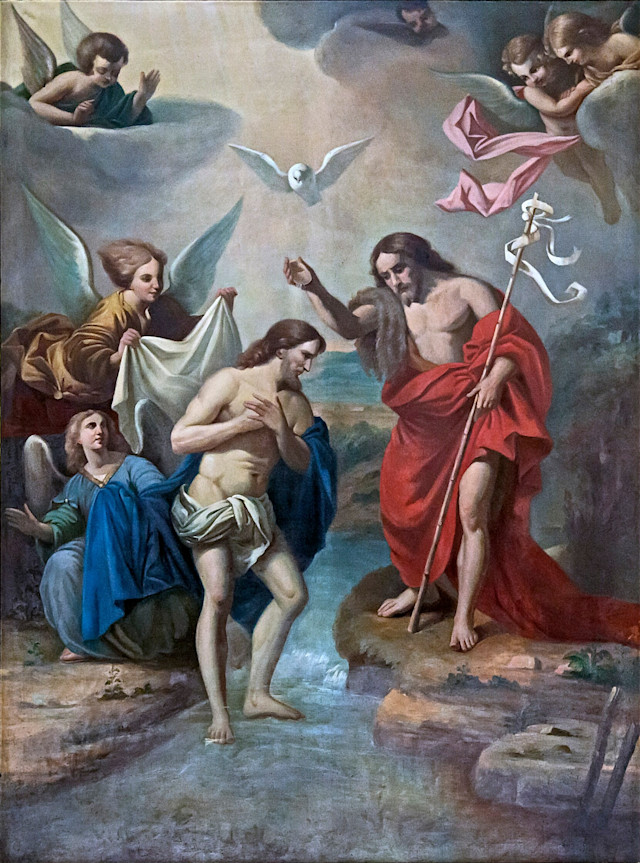
The Baptism of Christ, from the baptismal chapel of Montauban Cathedral.
“When all the people were baptized, it came to pass that Jesus also was baptized; and while He prayed, the heaven was opened. And the Holy Spirit descended in bodily form like a dove upon Him, and a voice came from heaven which said, “You are My beloved Son; in You I am well pleased.” (Luke 3:21-22; compare Matthew 3:13-17, Mark 1:9-11, and John 1:32-34)
However, this description doesn’t mean that the Holy Spirit took on the nature of a dove in the same way that the Son took on human nature in the incarnation. Jesus became fully man while staying fully God. Despite how he’s often depicted in art, the Holy Spirit neither is nor became a dove, or anything like that. The Gospel writers say that the Holy Spirit descended like a dove. While there’s a lot you can say about the symbolism, some connections are the beauty, peacefulness, and simplicity of a dove, along with the various spiritual connotations that birds in general had (as described above).
What bird represents Jesus?
That said, the dove is still a millennia-old symbol for the Holy Spirit, and it would be a mistake, therefore, to see it as a symbol for Jesus. Though they are both persons in the Holy Trinity, the Holy Spirit and Jesus do different things in the world and have different symbols.
There is, however, a bird that’s traditionally used to symbolize Jesus: a mythical creature, the phoenix. The early church Father St. Clement of Rome was the first to make this comparison. Saint Clement was a disciple of the apostle Peter who succeeded St. Peter as the bishop of Rome. In one of his epistles, St. Clement explained the legend of the phoenix:
“Let us note the remarkable token which comes from the East, from the neighborhood, that is, of Arabia. There is a bird which is called a phoenix. It is the only one of its kind and lives five hundred years. When the time for its departure and death draws near, it makes a burial nest for itself from frankincense, myrrh, and other spices; and when the time is up, it gets into it and dies. From its decaying flesh a worm is produced, which is nourished by the secretions of the dead creature and grows wings. When it is full-fledged, it takes up the burial nest containing the bones of its predecessor, and manages to carry them all the way from Arabia to the Egyptian city called Heliopolis. And in broad daylight, so that everyone can see, it lights at the altar of the sun and puts them down there, and so starts home again. The priests then look at their dated records and discover it has come after a lapse of five hundred years.” (1 Clement chapter 25)

Katsushika Hokusai - Phoenix Folding Screen - 1835
He concludes,
“Shall we, then, imagine that it is something great and surprising if the Creator of the universe raises up those who have served him in holiness and in the assurance born of a good faith, when he uses a mere bird to illustrate the greatness of his promise?” (1 Clement 26:1)
The legend of the phoenix was well-known at the time of the Greeks and Romans. While scholars debate the truth of these legends, the power of the image stuck in the imaginations of Christians, and the phoenix became a powerful symbol of life, rebirth, and Christ.
Subscribe
Life-giving writing by Christian scholars sent to your inbox once per month

Zachary Porcu has a PhD in church history from the Catholic University of America in Washington DC, with additional degrees in philosophy, humanities, and Classics (Greek and Latin). He is an Eastern Orthodox Christian.
Keep reading
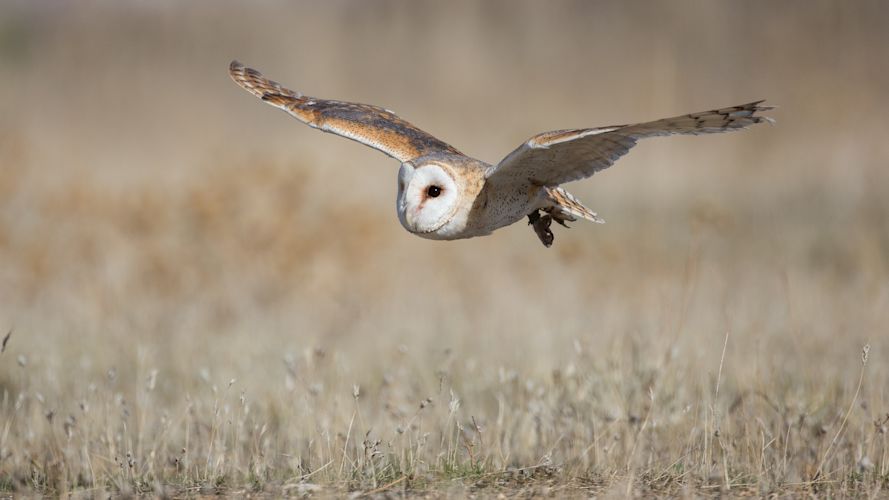
Symbolism: What is the meaning of an owl in the Bible?


What is a sardius stone in the Bible? Carnelian symbolism
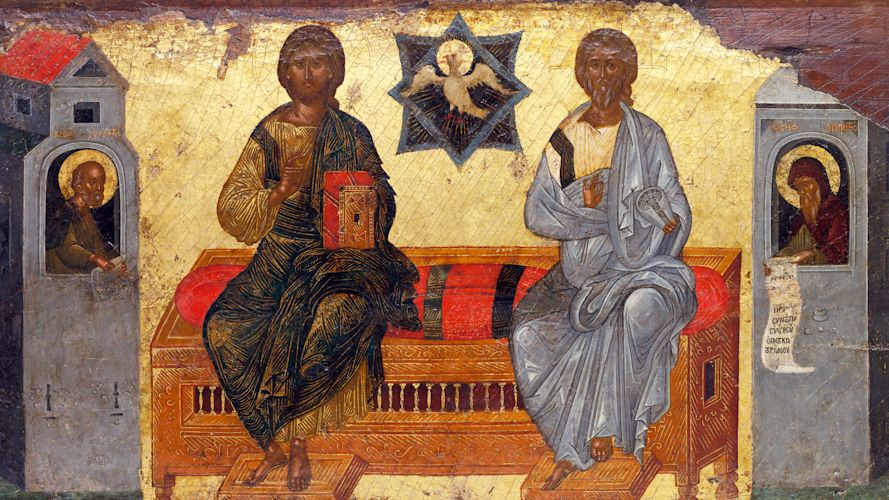
The Trinity: Are God and Jesus the same person?
Jesus and the Syrophoenician Woman: Gentile Salvation
Who was the first woman preacher in the Bible?