Jerry Bridges and The Navigators: A Protestant Order
The short story:
Jerry Bridges was an evangelical Protestant Christian author. He wrote twenty books on various Christian topics, which collectively have sold millions of copies. He was a member of a group called the Navigators, a missionary and discipleship group that started in the United States Navy.
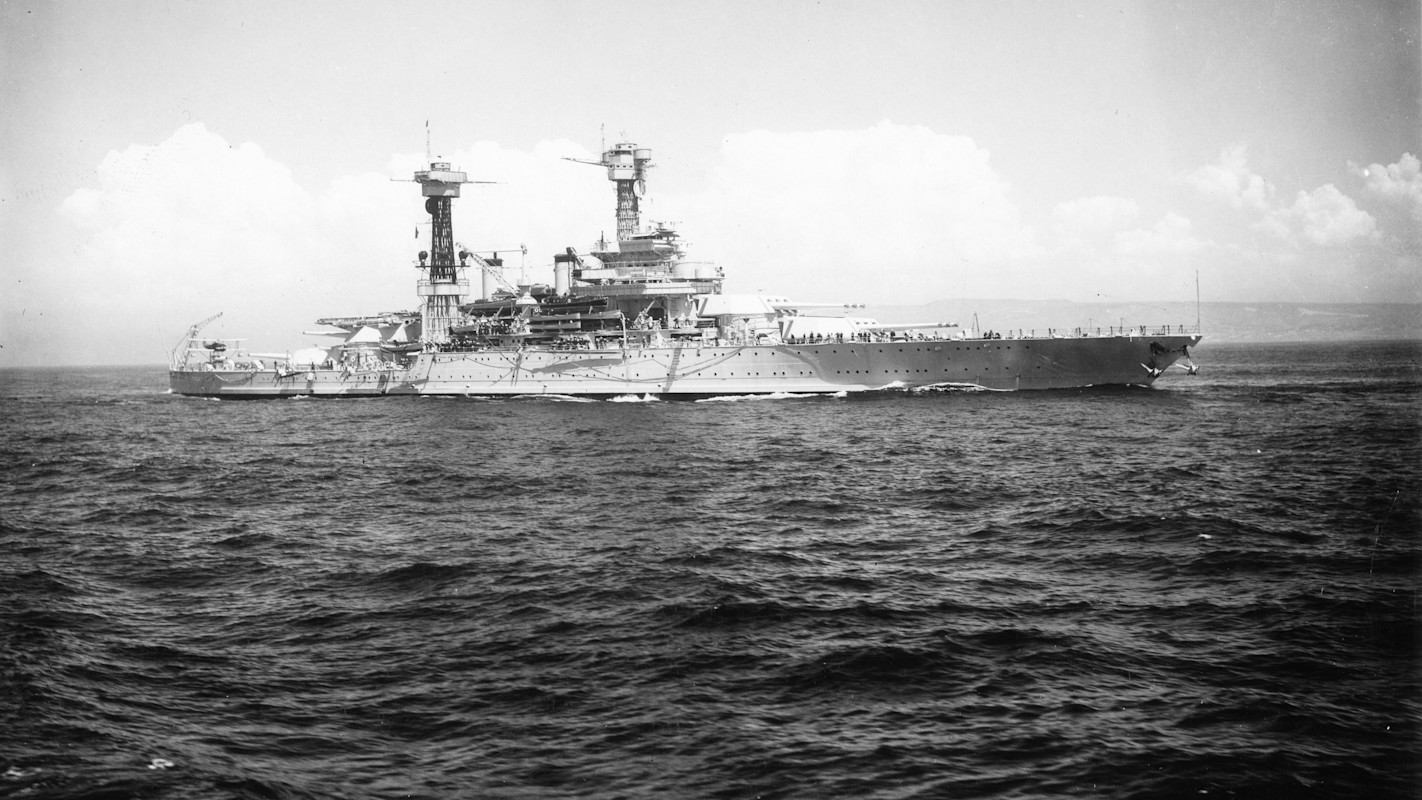
The Navigators was originally founded in 1933 on a battleship stationed in Long Beach, on the coast of California. A civilian named Dawson Trotman mentored one of the sailors on the ship, teaching him how to pray and to read and memorize the Bible. The sailor, Lester Spencer, passed on this teaching to his shipmates, and they spread it to others, until it ultimately became a cultural phenomenon. Eventually, the movement got support from the Protestant celebrity pastor Billy Graham. It settled its base of operations in the United Kingdom, and became a global program. The Navigators define their mission (according to navigators.co.uk) as,
“To advance the gospel of Jesus and his kingdom into the nations through spiritual generations of labourers (alongsiders) living and discipling together among the lost.”
The Navigators see their movement as a religious “order” in the same tradition as the monastic orders throughout history:
What is a “religious order”? Most people in the Western world probably associate this term with the various Catholic orders that were started in the last several centuries, like the Order of Saint Francis, the Dominican Order, or the Jesuit Order. Traditional orders were often started by or dedicated to particular saints, and they are answerable in some fashion to their bishops. They consist of celibate monks who live together in a community of brothers (or sisters, depending on the order) and take vows of celibacy and poverty as alternatives to living the married life.“We as Navigators see ourselves in this broad historical tradition of an apostolic order with our vision, values and calling marking the specific centre that defines our shared journey.”
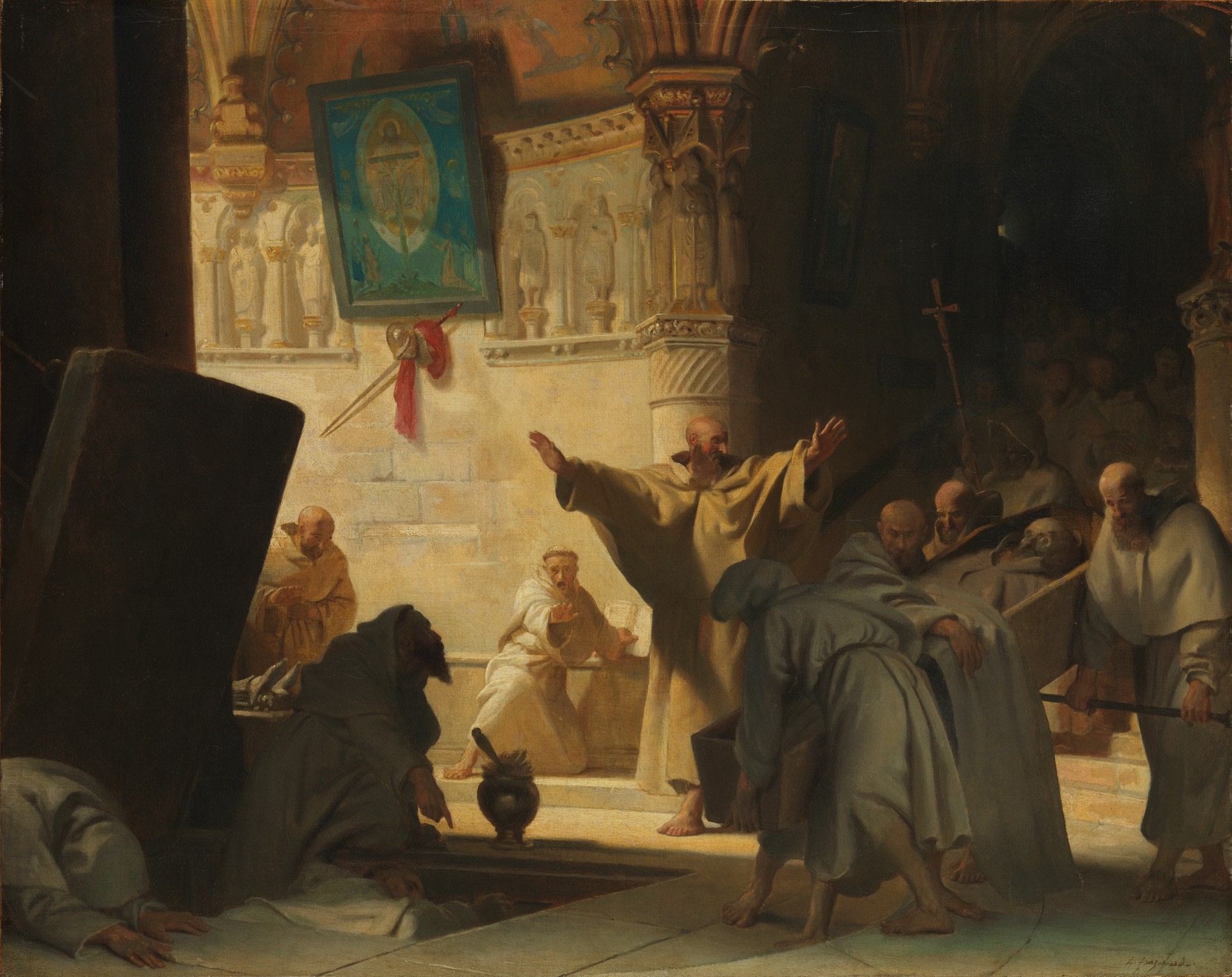
Alexandre Evariste Fragonard - Dramatic Scene with Monks in a Crypt - circa 1820
But the Navigators aren’t a religious order in this traditional sense. They are a kind of “non-denominational” Christian group. While their doctrines are certainly influenced by Evangelical Protestantism, that doesn’t mean they have any particular church affiliation. Therefore, they don’t have the same sort of structure and accountability as a Catholic order, and function more like a loose, para-church group than a religious order. What they have in common is an emphasis on discipleship and mentoring, but Navigators don’t take vows of poverty or celibacy or choose to join the Navigators as an alternative vocation to marriage.
The Theology of Jerry Bridges
Bridges seems to have held to a fairly standard Evangelical Protestant theology. In an interview he recalled going to altar calls at his church service multiple times, but not feeling anything until he was eighteen years old:
“I grew up in a church that had an altar call at every Sunday service. I went forward at ages 9, 11, and 13, but was never born again. Finally, at age 18, alone in my bed one night, I prayed, ‘God whatever it takes, I want Christ to be my Savior.’ Instantly I had assurance of my salvation.”
This “assurance of salvation” is the Protestant belief, common among evangelicals, that God guarantees one’s salvation when one makes an act of repentance or commitment to God that is sufficiently sincere. However, ideas about how exactly this assurance works are diverse and depend on the denomination or even the individual believer. That said, Bridges has mentioned the value of the sacraments and emphasizes the importance of pursuing holiness, which are not strictly Protestant ideas.

The Torminbrücke, a twin-span bridge in Münster, Germany.
When asked why he encourages Christians to pursue holiness even though they were already made righteous by Christ when they were born again, Bridges explains that we pursue holiness because God tells us to:
“The short answer is that God commands it, as He has said in 1 Peter 1:16, ‘You shall be holy for I am holy.’ But God wants us to want to do what we ought to do, and it is gratitude for what He has done for us through Christ in forgiving our sins and giving us Christ's own perfect righteousness that should cause us to want to do what we ought to do.”
This account is different from the traditional idea that increasing in holiness and moving closer to God are part-and-parcel with each other.
Bridges seems to have been influenced by the Scottish theologian George Smeaton and the English theologian John Owen, both modern-era Protestants of the British Isles—Presbyterian and Puritan, respectively.
Subscribe
Life-giving writing by Christian scholars sent to your inbox once per month
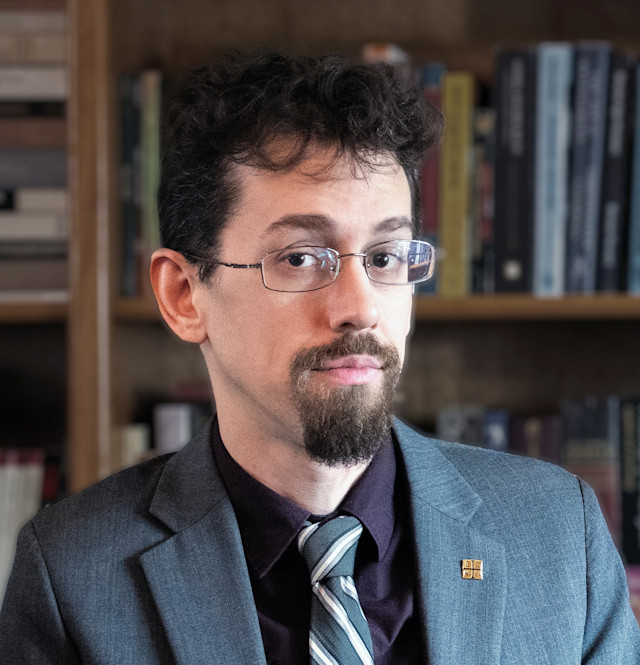
Zachary Porcu has a PhD in church history from the Catholic University of America in Washington DC, with additional degrees in philosophy, humanities, and Classics (Greek and Latin). He is an Eastern Orthodox Christian.
Keep reading
Forgiveness and the Remission of Sins


Stanley Hauerwas: Virtue Ethicist & Postliberal Theologian
Who is Jürgen Moltmann and What Did He Believe?

Greg Bahnsen: Apologist and Presbyterian Minister
What is paedobaptism? A Christian scholar explains