What are the prophetic books of the Bible?
The short story:
The prophetic books are the books in the Bible that belong to the genre of prophecy, as opposed to the books that are historical, poetic, or some other genre. They're divided into two groups: the Major Prophets (which are the longer prophecies) and the Minor Prophets (the shorter prophecies). There are 12 minor prophetic books and five or six major prophetic books—depending on your denomination.
Because the Bible is bound in a single volume today, modern people don't always realize that the Bible is not a single book but a library of many different kinds of books written over thousands of years. As such, there are many different genres of writing within the biblical canon. The first five books are the books of the law, called the Torah in Judaism and the Pentateuch in the early Church. They detail the creation of the world, the story of the people who would eventually become the ancient Israelites, the law of the ancient Israelites, and their journey to the promised land. Then there are the histories—like Chronicles and Judges—which detail the history of ancient Israel. There are also what are called the Wisdom literature, which includes, most famously, the Psalms and Proverbs.
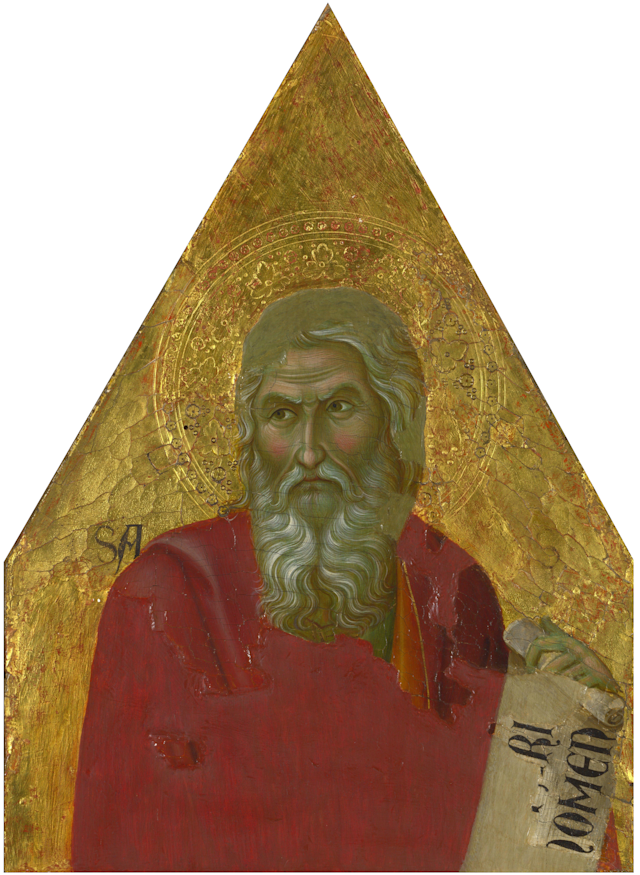
Ugolino di Nerio - Isaiah - from the Santa Croce Altarpiece - circa 1328
What are the five prophetic books?
When people talk about the five prophetic books in the Bible they're usually referring to the grouping of prophets called the Major Prophets, because theirs are the longest of the prophetic books.
The Books of the Major Prophets:
- Isaiah
- Jeremiah
- Lamentations
- Ezekiel
- Daniel
- Baruch
The reason these six books are often referred to as the five major prophets is because in Protestant Christian circles and modern-day rabbinic Judaism, Baruch is not considered part of the standard biblical Canon. Rabbinic Judaism does not acknowledge the Greek translation of the Old Testament as authoritative, and Protestant Christianity tends to follow rabbinic Judaism in regarding only the Hebrew version of the Bible as authoritative.
The reason that Baruch is included in the Canon by the majority of Christians today (Eastern Orthodoxy and Catholicism) is because it was included in the Greek translation of the Old Testament, called the Septuagint, which was the authoritative version of the Old Testament at the time of Jesus and his Apostles. It continued to be used by the early church after the mainline Jewish community rejected Christianity and started using only the Hebrew-language scriptures.
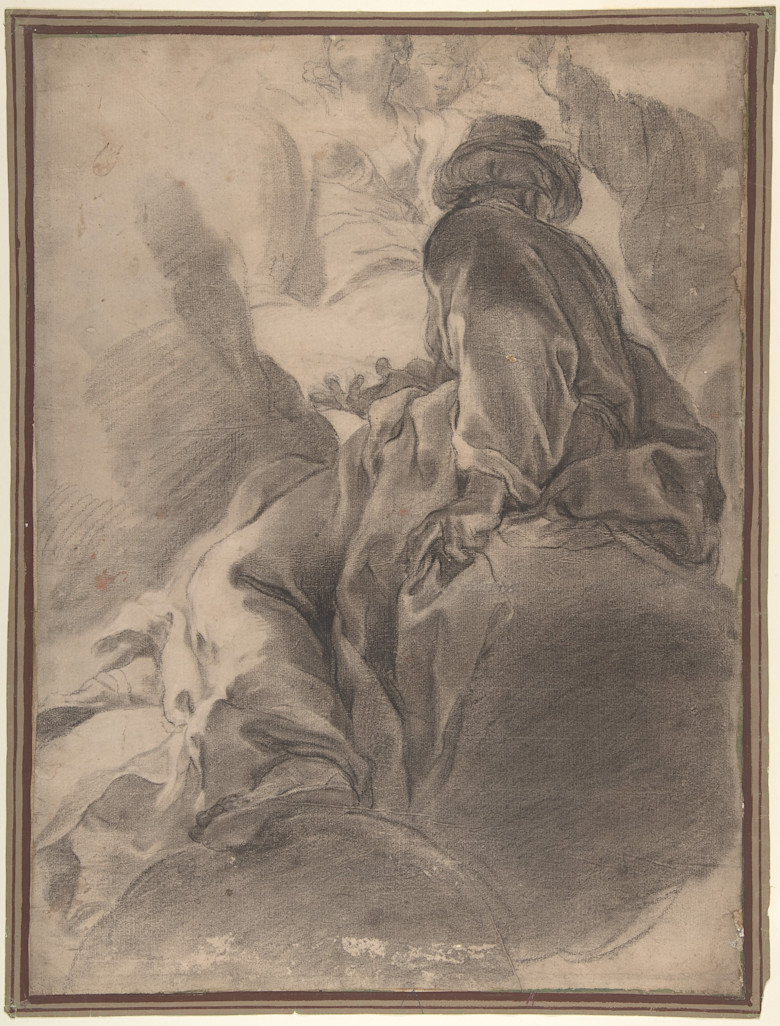
Gaetano Gandolfi - Seated Prophet - 1779
Who are the “12 major prophets” in the Bible?
Because of these sorts of differences, people sometimes get confused about the classification of the different prophets. There aren't twelve major prophets; there are six (or five). But there are 12 minor prophets. The twelve minor prophets are so-called simply because their books are much shorter than books of the major prophets.
The Twelve Minor Prophets:
- Hosea
- Joel
- Amos
- Obadiah
- Jonah
- Micah
- Nahum
- Habakkuk
- Zephaniah
- Haggai
- Zechariah
- Malachi
What is the only prophetic book in the New Testament?
There is however one additional prophetic book, which is the Book of Revelation. What's special about it is that it's a prophetic book but it's not in the Old Testament, it's in the New Testament.
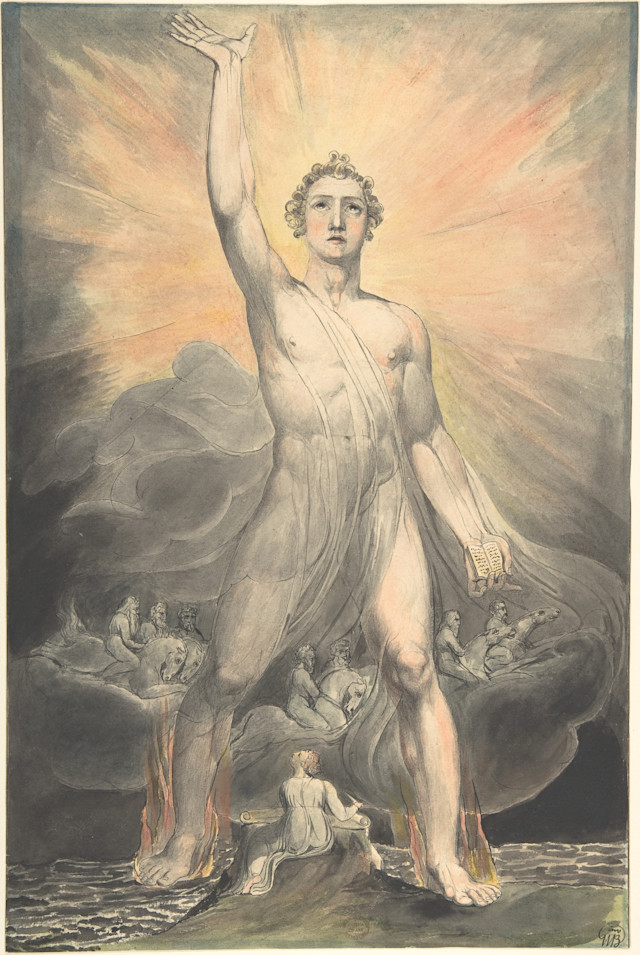
In this watercolor by William Blake, St. John writes beneath the Angel of the Revelation.
Given that the New Testament authors were fully aware that Christ had already come, the Book of Revelation is not like the Old Testament prophets in predicting the coming of Christ. The book partially depicts events that were going to happen toward the end of the first century, and those events, like the destruction of Jerusalem, did take place. However, like many prophecies in the Old Testament, the Book of Revelation was a prophecy both for the immediate future of the time period in which it was made, as well as a prophecy about a much farther future.
What is that far future prophecy? It’s the second coming of Christ and the consequent end of the Age. While we have the benefit of hindsight in understanding how the Old Testament prophets were pointing towards the first coming of the Christ, this element of the Book of Revelation is about the future and so we have no such advantage. Consequently, there are a lot of different opinions about what these events will look like and people have debated what this prophecy means for thousands of years.
Subscribe
Life-giving writing by Christian scholars sent to your inbox once per month

Zachary Porcu has a PhD in church history from the Catholic University of America in Washington DC, with additional degrees in philosophy, humanities, and Classics (Greek and Latin). He is an Eastern Orthodox Christian.
Keep reading
Hineni in Hebrew: “Here I am” from God and Man

Who was Jotham, king of Judah?
Who is Esaias in the Bible? Answered by a Christian Scholar

Peor: The Mountain and God of the Moabites
Necromancy in the Bible: Fallen Spirits, Ancient Religion