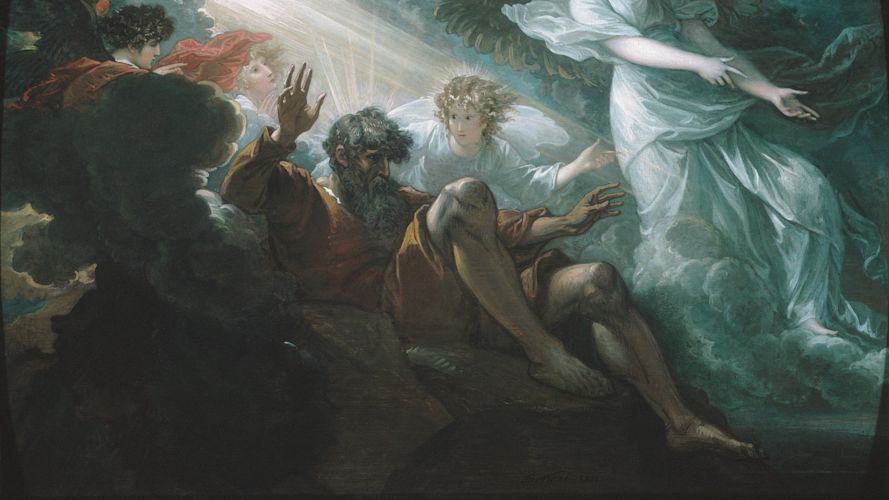
Hineni in Hebrew: “Here I am” from God and Man

The word “Hineni” literally means “Here I am.” It is generally used as a response to someone who calls for you. In the context of the Old Testament, some people interpret it as a response of total surrender, but it can’t quite ...
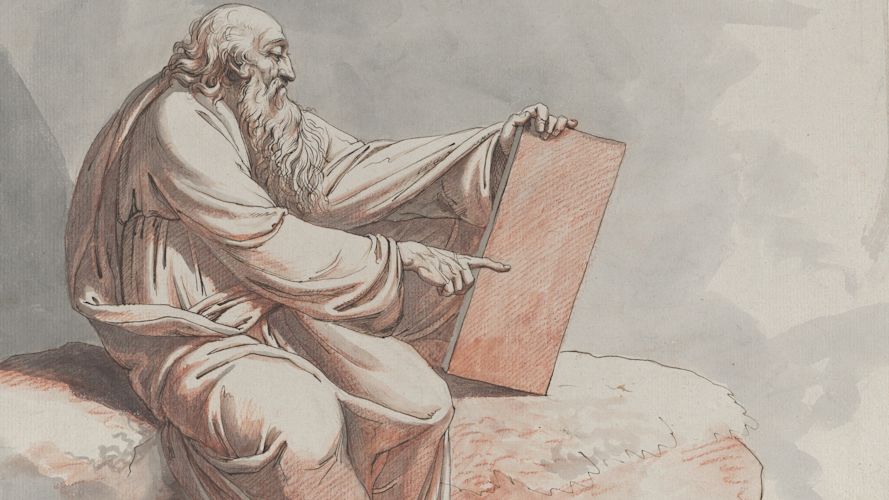
What are the prophetic books of the Bible?
Because the Bible is bound in a single volume today, modern people don't always realize that the Bible is not a single book but a library of many different kinds of books written over thousands of years. As such, there are many...
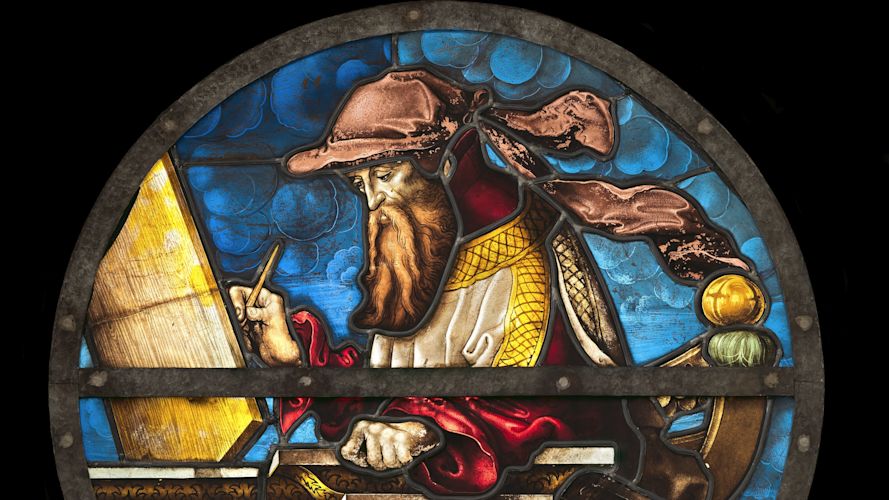
Who is Esaias in the Bible? Answered by a Christian Scholar
In English the name “Esaias” is usually written as “Isaiah,” which is closer to the original Hebrew spelling, but the spelling “Esaias” is closer to how it would be spelled in ancient Greek (Ἡσαΐας). This matters because Greek ...
Maher-Shala-Hash-Baz, the Son of the Prophet Isaiah
The book of Isaiah features a long name: Maher-Shala-Hash-Baz. It is often considered the longest name in the Bible, though that depends on how you count. It first occurs in Isaiah 8:1: “Moreover the Lord said to me, ‘Take a la...
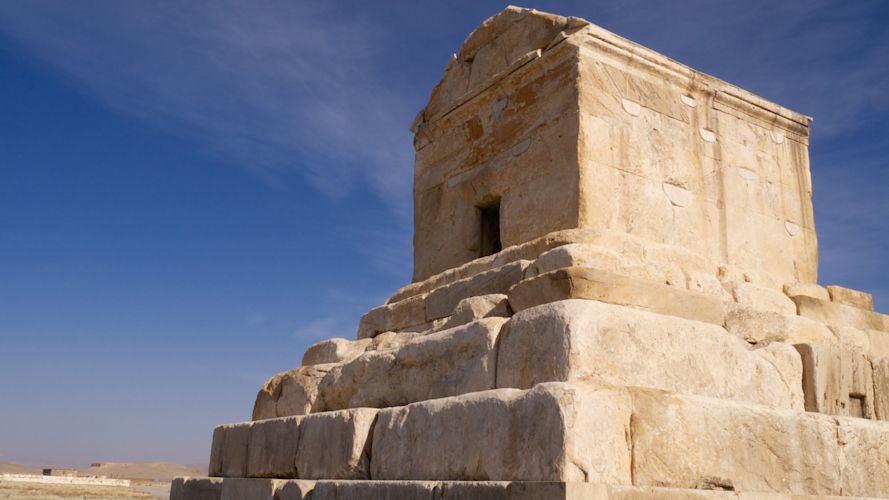
Emperor, Liberator: Who was Cyrus in the Bible?
To understand the significance of Cyrus the Great, we need a little bit of context for the history of the ancient Israelites. If you know your Old Testament history, you know that there were two important time periods in the hi...

A PhD explains Isaiah's phrase: “Forget the former things”
The past is a powerful thing. Through pictures, videos, and other types of “time capsules,” we can create powerful messages that endure into the future and offer a window into the past. Certain sounds, tastes, and especially sm...

Prophetic parents: Who was Amoz father of Isaiah?
Amoz is one of those Biblical figures connected to prominent people in the Bible, but whom we know very little about. He is explicitly mentioned only thirteen times, all in reference to Isaiah: “Isaiah, Son of Amoz.” We only kn...