St. José Sánchez del Río, modern child martyr
The short story:
Saint José was a martyr during the Cristero War in the early 1900s in Mexico. He fought in a rebellion against secular authorities and was ultimately captured and tortured to death for refusing to renounce his faith.
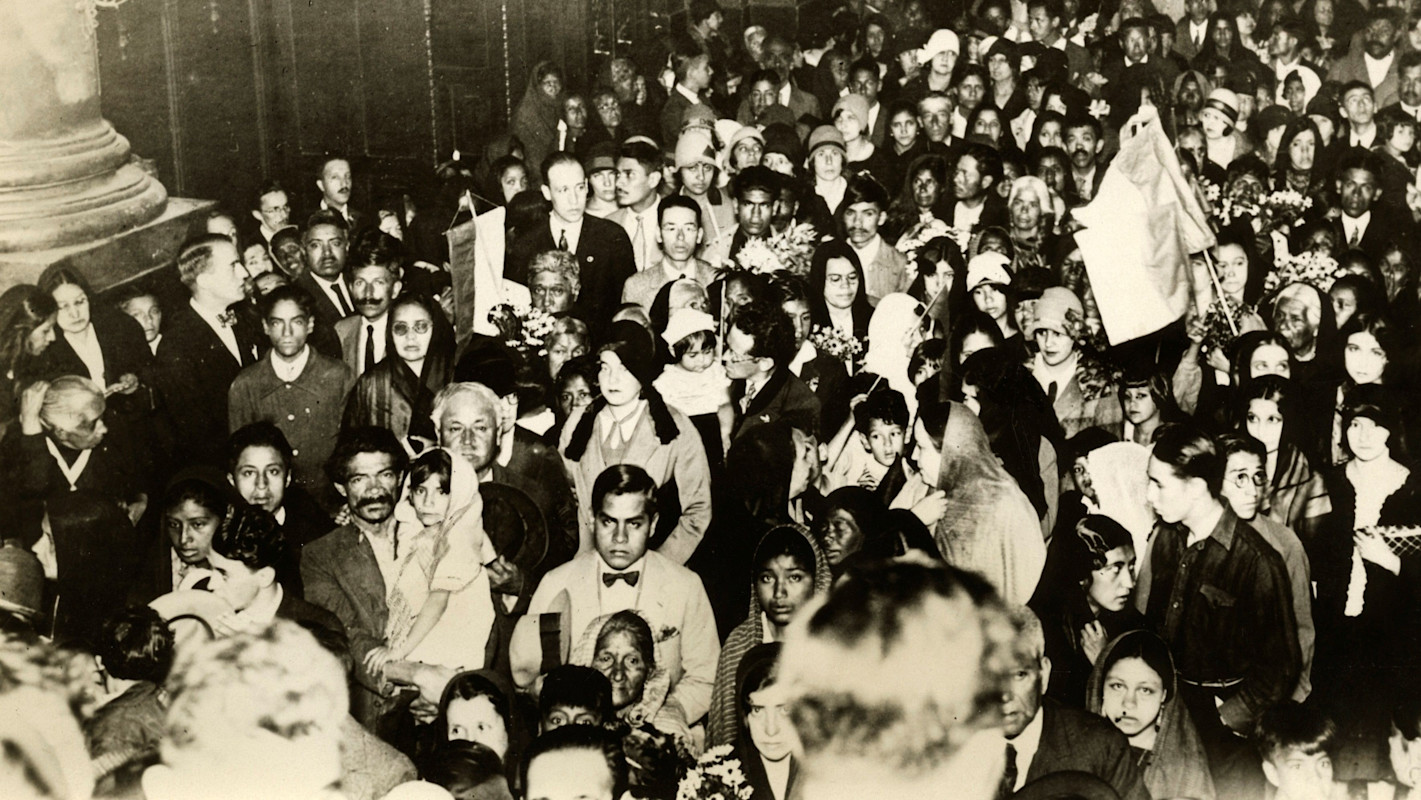
At the beginning of the 20th century there was a conflict in Mexico that lasted from 1926 to 1929. As a part of the Mexican Constitution of 1917, the government attempted to make Mexico more secular—in the face of its deeply Catholic roots. The government seized church property, closed Catholic schools, and killed Catholic priests. At first, a peaceful resistance arose, but it soon escalated into a series of violent uprisings and sparked what came to be known as the Cristero War, a kind of civil war of Catholic Christian rebels against the secular government.
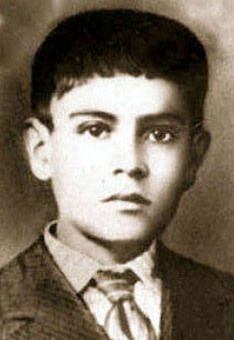
A photograph of St. José Sánchez del Río.
José was originally enlisted as a flag-bearer, but ended up being martyred anyway. During one of the battles, a fellow soldier’s horse was killed, and José gave him his own horse so that he could escape. José remained behind, firing at the enemy until he ran out of ammunition, and was then captured and imprisoned.
While in confinement, José was ordered to renounce his faith, but he refused. The soldiers attempted to pressure him, first by making him watch the hanging of another rebel. Like many of the martyrs of the past, instead of despairing or being horrified, José implored the man to meet death with courage and told him that they would meet in heaven. The soldiers later tortured him by cutting off the bottoms of his feet and forcing him to walk around town, as well as by cutting him with machetes so that he bled profusely. All the while they told him that if he said “death to Christ,” he would be set free, but he refused, instead shouting, “Viva Cristo Rey!”. In English, this phrase means “long live Christ the king.” After some time in captivity, he was shot by his captors and died at the age of fourteen.
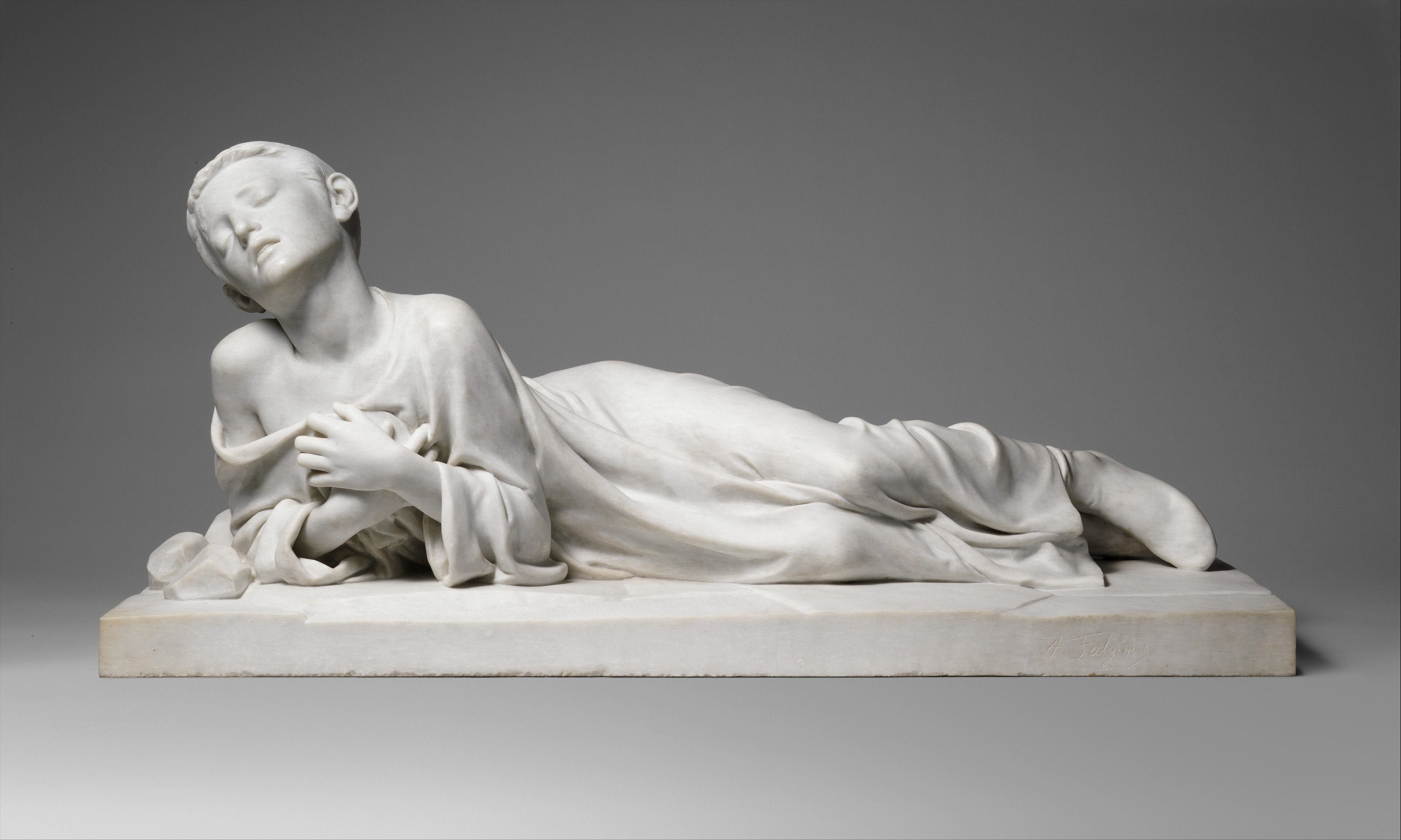
Alexandre Falguière - Saint Tarcisius - circa 1880
Who persecutes whom?
St. Jose is a patron of persecuted Christians, children, adolescents, and the city of Sahuayo. His feast day is celebrated in the Catholic church on the day of his death, February 10th.
The death of Saint José del Río is a good counterexample to certain common narratives about the Catholic church. Modern people often have the vague idea that there was a period of time called the “dark ages” in which Christianity ruled the Western world through oppressive, totalitarian dictatorship (you can see this idea dramatized in fictional works such as Alan Moore’s V for Vendetta). Such beliefs are usually accompanied by imagery of shadowy inquisitors torturing anyone who was found practicing science or doing anything resembling free-thinking.
However, these notions are typically the mythologies of modern pop culture—at best, they are gross misunderstandings of practices that were widely accepted in medieval and early modern society. In truth, it was medieval Catholic and Byzantine culture that invented the university system, pioneered modern science, and gave birth to the Renaissance. Further, for much of the history of Western civilization, it was actually secular society that tortured and killed Christians, not the other way around. There are countless examples of such persecution: from the many anti-Catholic movements across modern secular Europe to the atheist Soviet Union’s attempted genocide of Orthodox Christians, secular governments hold the record on the violent bloody oppression of Christians. The life of St. José is a good example of a conflict in which the secular state was eager to use violence and torture to destroy any rivals to its power—namely, religion.
Subscribe
Life-giving writing by Christian scholars sent to your inbox once per month
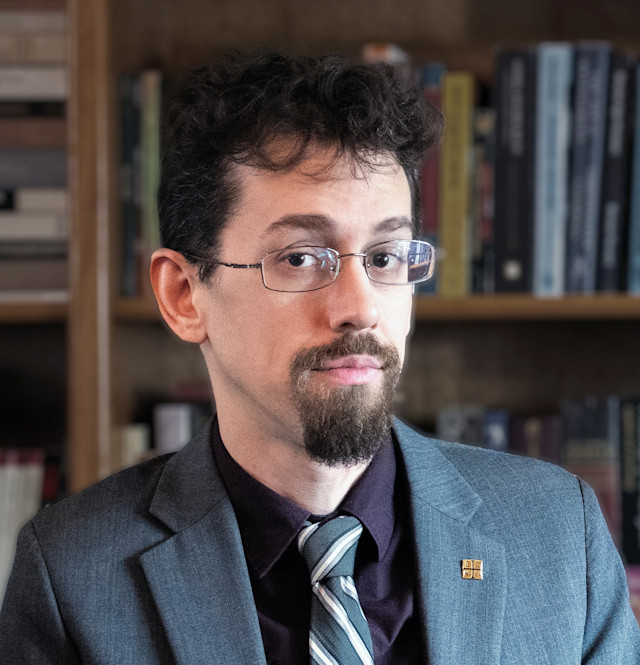
Zachary Porcu has a PhD in church history from the Catholic University of America in Washington DC, with additional degrees in philosophy, humanities, and Classics (Greek and Latin). He is an Eastern Orthodox Christian.
Keep reading
Forgiveness and the Remission of Sins

Stanley Hauerwas: Virtue Ethicist & Postliberal Theologian
Who is Jürgen Moltmann and What Did He Believe?

Jerry Bridges and The Navigators: A Protestant Order
Greg Bahnsen: Apologist and Presbyterian Minister