
Latest articles byDr. Zachary Porcu

The Problem with Sexual Sin

Sexual immorality is one of the most significant categories of sin mentioned in the Bible, and there are numerous passages throughout the Old and New Testament that explicitly reference this category of sin. Some of the most fa...
How Hot is Hell? Biblical Ideas vs. Pop Culture Depictions
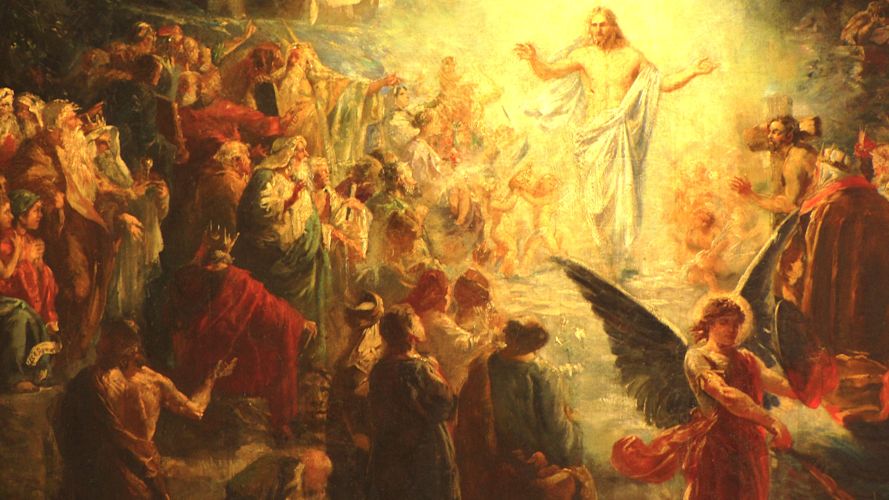
Modern discourse about Hell is often confused, and Christians from the early Church period probably wouldn’t recognize many modern ideas about it. Across the centuries, pop culture from Dante’s Inferno to TV shows like Futurama...
Jesus and the Syrophoenician Woman: Gentile Salvation
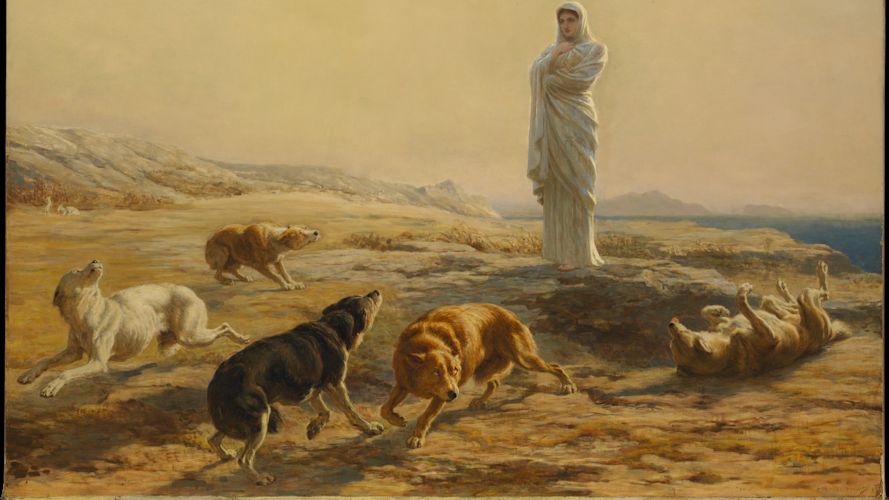
Syrophoenician is the word for someone who lived in Phoenicia during the time in which it was part of the Roman province Syria, as it was during the time of Jesus's ministry. It's a combination of the words Syria and Phoenicia....
Hineni in Hebrew: “Here I am” from God and Man
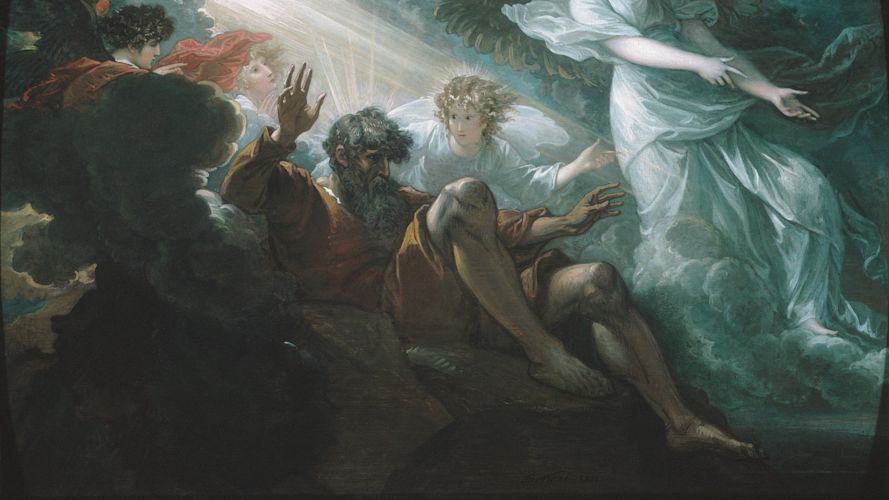
The word “Hineni” literally means “Here I am.” It is generally used as a response to someone who calls for you. In the context of the Old Testament, some people interpret it as a response of total surrender, but it can’t quite ...
Forgiveness and the Remission of Sins
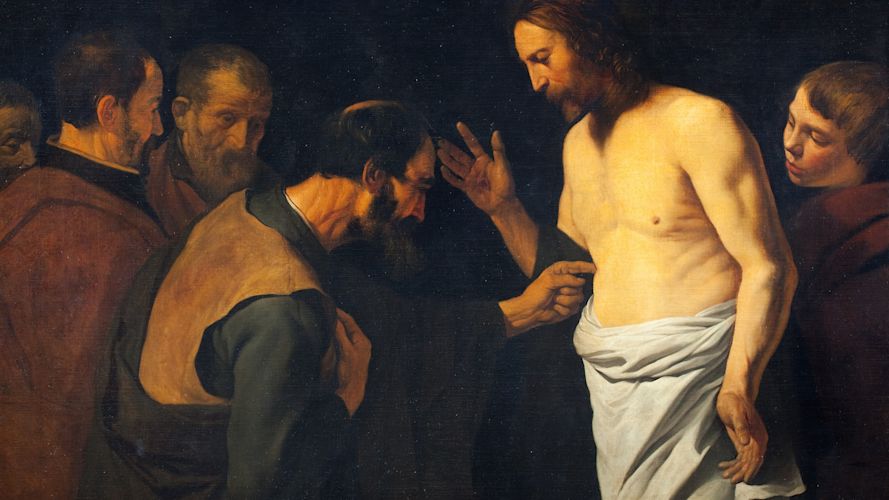
The phrase “remission of sins” shows up in most translations of the Bible in at least a few places. When John the Baptist is born, for example, his father Zechariah makes a prophecy about him that mentions the remission of sins...
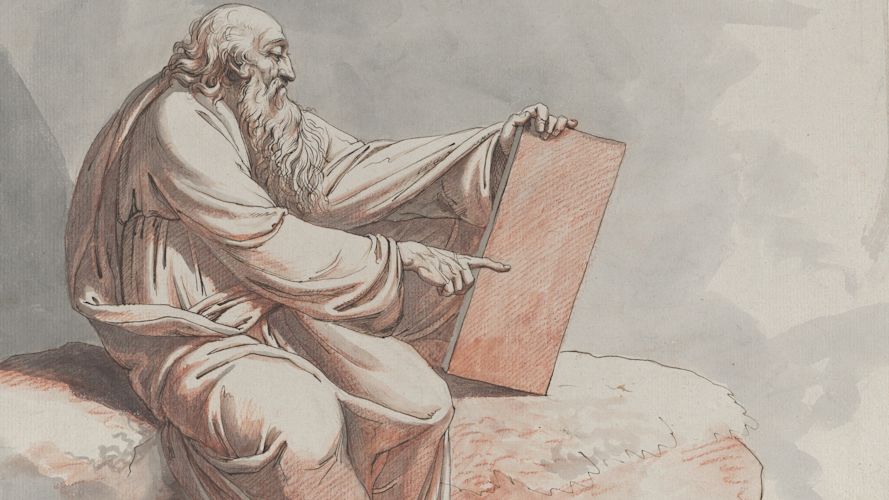
What are the prophetic books of the Bible?
Because the Bible is bound in a single volume today, modern people don't always realize that the Bible is not a single book but a library of many different kinds of books written over thousands of years. As such, there are many...
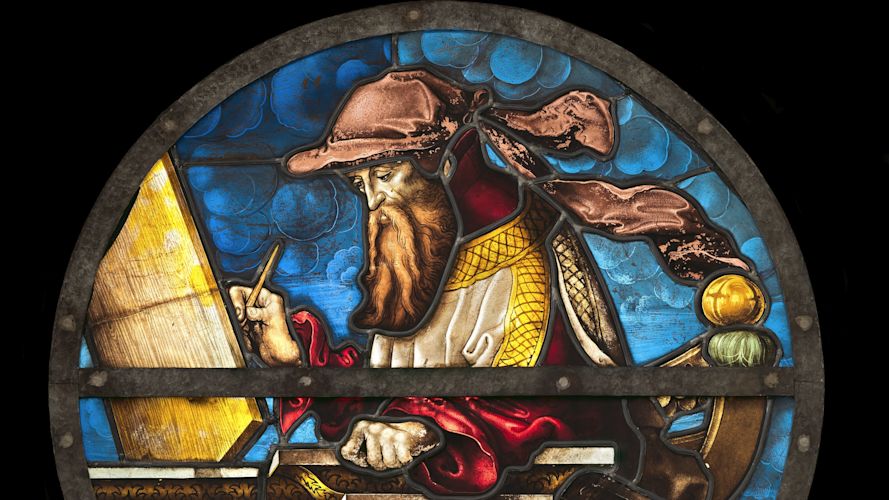
Who is Esaias in the Bible? Answered by a Christian Scholar
In English the name “Esaias” is usually written as “Isaiah,” which is closer to the original Hebrew spelling, but the spelling “Esaias” is closer to how it would be spelled in ancient Greek (Ἡσαΐας). This matters because Greek ...
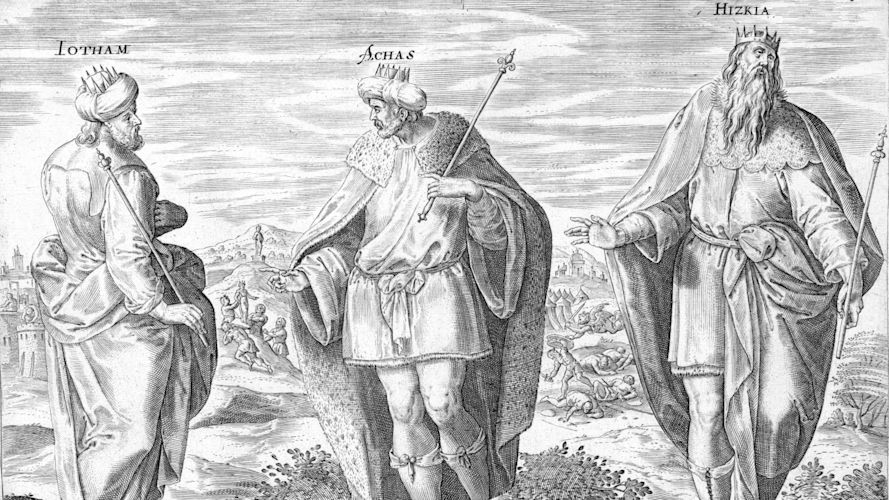
Who was Jotham, king of Judah?
To understand Jotham we have to understand his father, Uzziah, and the context of ancient Israel at this time. Both Jotham and Uzziah were Kings of Judah, the southern tribe of Israel. Uzziah took the throne at age 16 and reign...