Stanley Hauerwas: Virtue Ethicist & Postliberal Theologian
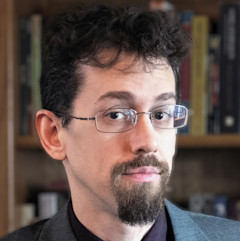
Stanley Hauerwas has been influential across many fields, but he is probably most famous for being a proponent of what philosophers call “virtue ethics.” Virtue ethics is one of the three schools of thought on ethics in modern ...

Peor: The Mountain and God of the Moabites
Peor was the name of a mountain in the land of Moab. It is significant as the final place that the prophet Balaam visited when he was being pressured by the king of Moab to curse Israel. The Israelites had recently conquered Si...
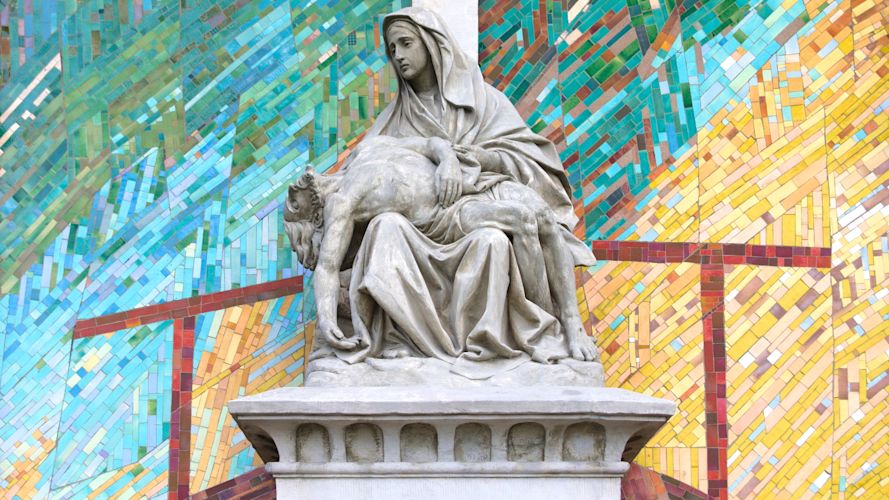
Who was the first woman preacher in the Bible?
The Bible mentions a number of women who spoke in front of people. They include Priscilla, the wife of one of the Seventy Apostles named Aquilla; Mary Magdalene and the other Myrrhbearing Women who are the first to learn about ...
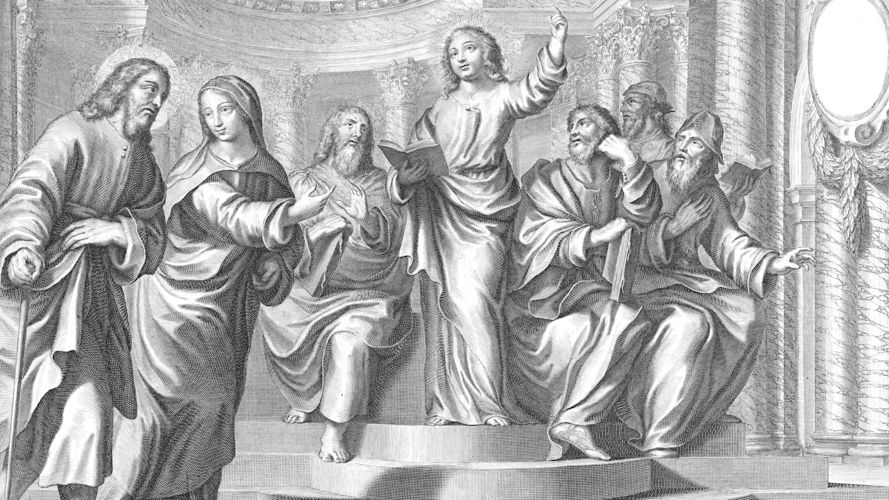
Was Jesus a Rabbi?
In the New King James version of the Bible, Jesus is first called a Rabbi by Judas, in Matthew 26:25: “Then Judas, who was betraying Him, answered and said, ‘Rabbi, is it I?’” The context for this verse is significant: Jesus ha...
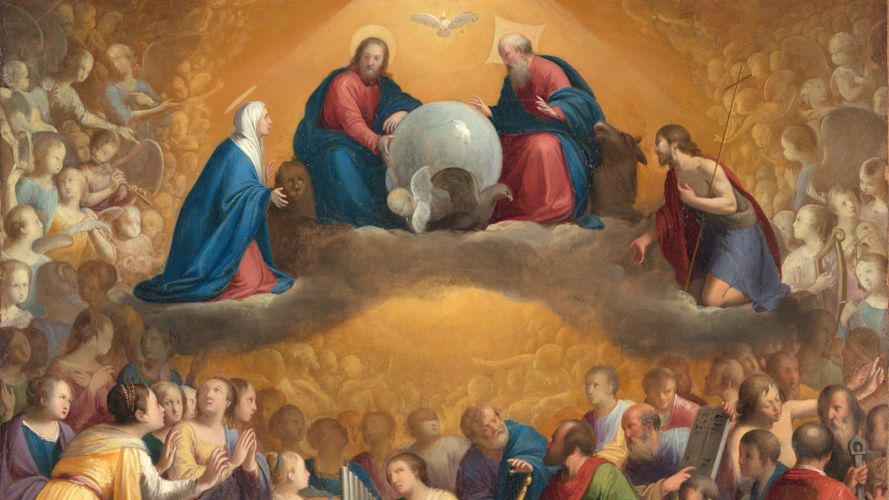
Who is Jürgen Moltmann and What Did He Believe?
Moltmann’s theological writing and thinking incorporated many different elements. He worked in several different areas and often overlapped with traditional groups like Eastern Orthodoxy, Catholicism, and even Judaism. As a res...

Jerry Bridges and The Navigators: A Protestant Order
The Navigators was originally founded in 1933 on a battleship stationed in Long Beach, on the coast of California. A civilian named Dawson Trotman mentored one of the sailors on the ship, teaching him how to pray and to read an...
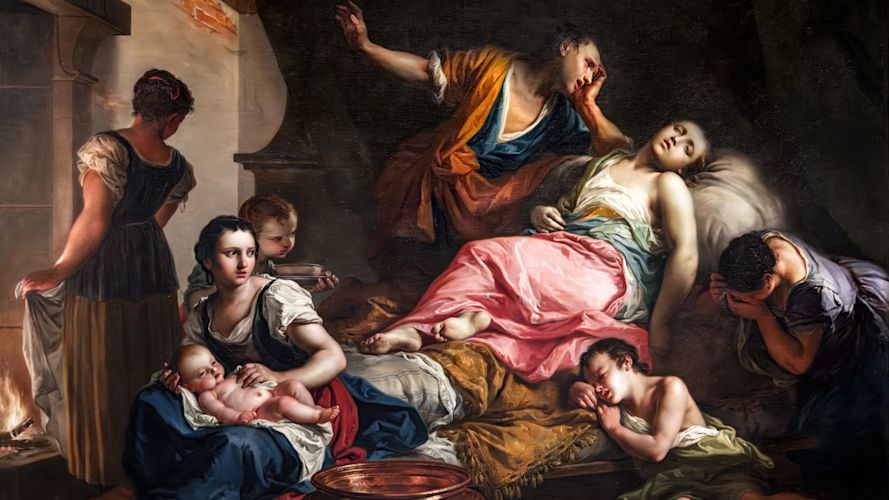
Rachel's Tomb: The Death of an Israelite Matriarch
The Biblical passage that relates Rachel’s death is from Genesis 35: “Then they journeyed from Bethel. And when there was but a little distance to go to Ephrath, Rachel labored in childbirth, and she had hard labor. Now it came...
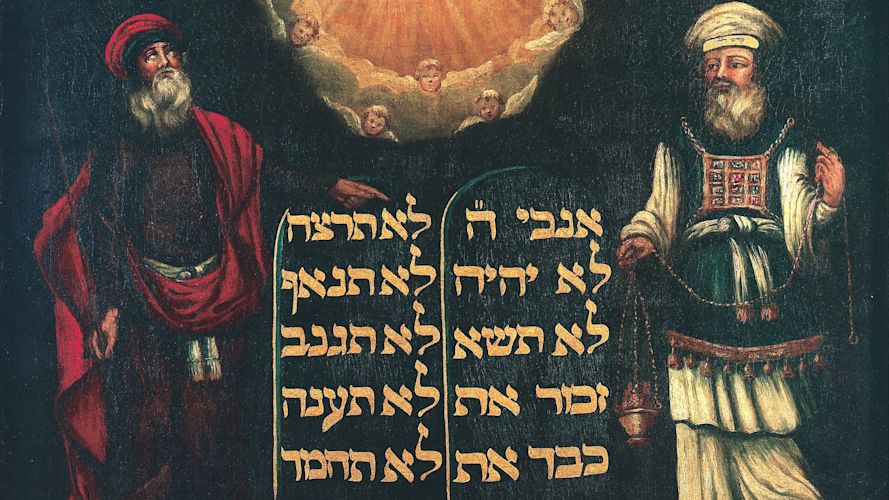
Greg Bahnsen: Apologist and Presbyterian Minister
Greg Bahnsen was a Presbyterian minister. He earned both a Master of Divinity and a Master of Theology, and was ordained in the Presbyterian Church in 1975. He is probably best known for being a disciple and close friend of Cor...